Middle East Peace Deal Announced, Hostage Release and Israeli Withdrawal Included
Story Highlights:
- President Trump announced a peace agreement between Israel and Hamas on October 8, 2025.
- The agreement includes the immediate release of all living Israeli hostages in exchange for 2,000 Palestinian prisoners.
- Israeli forces are to withdraw to pre-designated positions within Gaza.
- Hamas has agreed to transitional governance but has refused complete disarmament.
- An international stabilization force, including the U.S. and Arab partners, will be deployed.
- The deal follows a 20-point peace framework unveiled by Trump on September 29.
On October 8, 2025, President Donald Trump announced an agreement between Israel and Hamas as the first phase of a comprehensive Gaza peace plan. This agreement includes the immediate release of all living Israeli hostages in exchange for 2,000 Palestinian prisoners. Additionally, Israeli forces are scheduled to withdraw to pre-designated positions within Gaza. President Trump described the development as a significant diplomatic achievement following previous efforts to broker lasting peace in the Middle East.
The agreement follows the unveiling of a detailed 20-point peace framework by President Trump on September 29 at the White House, alongside Israeli Prime Minister Benjamin Netanyahu. Hamas initially resisted the framework but agreed on October 3 to release hostages and transfer Gaza administration to Palestinian technocrats. The deal also includes the deployment of an international stabilization force, comprising U.S., Arab, and allied partners, to maintain security during the transition period.
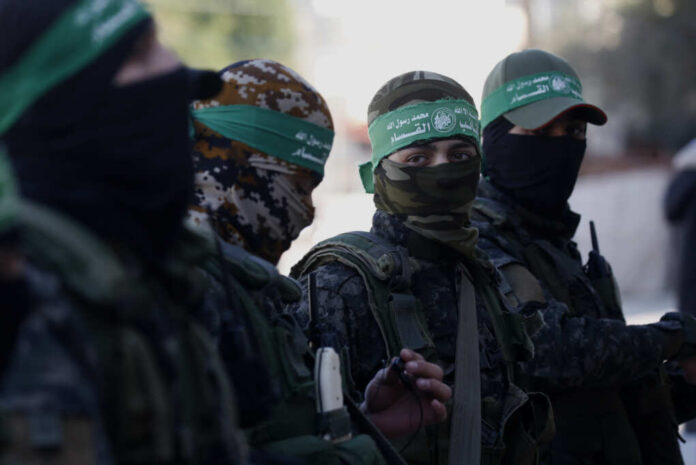
While Hamas has accepted the transfer of Gaza’s administrative control to Palestinian technocrats, the organization has explicitly refused complete disarmament. This refusal has raised questions regarding long-term stability and the potential for future conflicts, as complete disarmament is a key Israeli security demand. Prime Minister Netanyahu has expressed support for the deal as a “critical step” but maintains reservations about Hamas retaining military capabilities.
The transitional governance structure aims to politically sideline Hamas while upholding ceasefire conditions. However, analysts have noted that Hamas’s continued armed presence could undermine the peace framework’s sustainability. Previous ceasefire attempts have reportedly collapsed when Hamas resumed attacks, underscoring the importance of complete demilitarization for lasting security. The current arrangement represents a compromise that prioritizes immediate hostage release.
Arab states, including Qatar, UAE, Egypt, and Saudi Arabia, have endorsed the peace initiative, providing regional legitimacy and commitments for reconstruction funding. This multilateral support is seen as a distinguishing factor from previous attempts that lacked broad international backing. The stabilization force is intended to help enforce ceasefire terms and facilitate humanitarian aid delivery to Gaza’s civilian population.
Critics have questioned whether the deal addresses underlying grievances or merely postpones a renewal of hostilities. However, President Trump’s direct involvement and the participation of Arab states are considered to establish stronger enforcement mechanisms than past agreements. The framework potentially opens pathways to broader regional normalization, building on the Abraham Accords previously negotiated by Trump. The success of the agreement is contingent on maintaining international pressure for full Hamas compliance and supporting the Palestinian governance transition.
Watch the report: Trump Announces First Phase of Gaza Peace Plan: Hostages to Be Released Soon | NewsX
Sources:
Donald Trump’s September 2025 Gaza Strip proposal – Wikipedia
Trump announces Gaza peace deal alongside a supportive Netanyahu – Jewish Insider
Trump’s new Middle East deal: A real path or dead on arrival? – Atlantic Council