A deadly flood in Morocco is already being used to push global climate agendas that could land squarely on American taxpayers and industries. The recent flash floods in the Moroccan coastal city of Safi tragically killed at least 37 people and devastated roughly 70 homes and businesses. While the human cost is undeniable, officials and commentators are quickly tying the disaster to climate change, fueling global pressure for more costly climate mandates. For conservative Americans, this is a critical pattern: an international tragedy becomes a fresh talking point for expanded environmental and economic controls that often undermine U.S. sovereignty and place financial burdens on workers and small businesses.
Story Snapshot
- Flash floods in the Moroccan coastal city of Safi killed at least 37 people and devastated homes and businesses.
- Roughly 70 homes and businesses were inundated, and at least 10 vehicles were swept away overnight.
- Officials are tying the disaster to climate change, fueling global pressure for more costly climate mandates.
- International narratives built on foreign disasters often become arguments for new U.S. regulations and spending.
Deadly Overnight Flooding Strikes Moroccan Coastal City
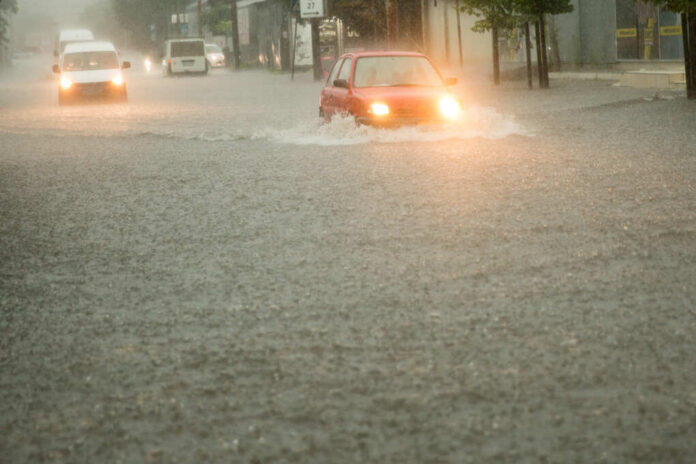
Authorities in Morocco reported that heavy overnight rain triggered sudden flash floods in the coastal city of Safi, killing at least 37 people in a matter of hours. The water rushed through neighborhoods with little warning, cutting off streets and turning low-lying areas into temporary rivers. Local responders faced difficult conditions as they searched damaged areas for survivors and victims. The death toll may rise as officials continue assessing hard-to-reach sections of the city and surrounding communities.
Officials said the floodwaters inundated about 70 homes and businesses across Safi, destroying property, displacing families, and wiping out inventories that many small shop owners depend on for their livelihoods. Vehicles parked along roadways were no match for the surge; at least 10 cars and trucks were reported swept away. Residents described scenes of chaos as streets turned to torrents, with people scrambling to higher ground while emergency crews tried to establish safe routes into the worst-hit districts.
Authorities said heavy rain and flash floods overnight killed at least 37 people, inundated about 70 homes and businesses and swept away 10 vehicles in the Moroccan coastal city of Safi. Climate change has made weather patterns more unpredictable in Morocco. pic.twitter.com/E2tusHCyk9
— The Associated Press (@AP) December 15, 2025
Local Disaster, Global Narrative on Climate and Policy
Authorities and commentators quickly framed the Safi flooding as another example of climate change making weather patterns more unpredictable in North Africa. That claim fits a broader international narrative that uses each new disaster to call for deeper global climate agreements, heavier regulations, and higher financial transfers from developed nations. For Americans who remember years of climate summits, this is a familiar pattern: a local tragedy becomes a fresh talking point for expansive environmental and economic controls.
Climate advocates frequently argue that events like the Safi flood prove an urgent need for more aggressive emissions cuts, carbon pricing schemes, and restrictions on traditional energy production. Those policies, when translated into U.S. law, usually fall hardest on American workers in energy, manufacturing, trucking, farming, and small business. In theory, global cooperation sounds noble; in practice, it often means higher utility bills, costlier gasoline, and federal rules that undermine local decision-making, while rival countries continue expanding coal plants and heavy industry without similar burdens.
Why a Moroccan Flood Matters to American Conservatives
For conservative Americans, the concern is not callousness toward Moroccan victims; it is about how distant crises are routinely leveraged to justify new layers of global governance that bypass U.S. voters. International agencies and climate bureaucrats have a history of using disasters abroad to pressure Washington into long-term spending commitments and regulatory frameworks. Those arrangements can weaken American sovereignty, empower unelected bodies, and shift resources away from domestic priorities such as border security, crime reduction, veterans’ care, and infrastructure resilience.
Past climate-driven agreements and regulations helped fuel higher energy prices and inflation, squeezing middle-class families and retirees on fixed incomes. When climate narratives dominate, accountability often disappears: bureaucrats impose mandates, corporations pass costs to consumers, and taxpayers are asked to underwrite global funds with little transparency. The Safi tragedy may become another rhetorical tool for those who favor central planning, expanded environmental agencies, and policies that restrain American energy independence rather than strengthening it.
Real Resilience: Infrastructure, Sovereignty, and Common Sense
Events like the Safi flood highlight a real need for practical resilience: better local drainage, sturdier infrastructure, accurate forecasting, and emergency planning that respects geography and history instead of chasing ideological talking points. Responsible leaders focus on hardening communities against known risks, not on signing away economic freedom in sweeping international deals. For Americans, the lesson is to push for realistic preparedness at home, while resisting attempts to turn foreign disasters into blank checks for climate bureaucracies and unelected global institutions.
As details from Safi continue to emerge, the human cost is undeniable, and compassion for families who lost loved ones is entirely compatible with skepticism toward politicized narratives. Conservatives can pray for victims and support effective relief, while still insisting that U.S. policy stay rooted in constitutional limits, energy independence, balanced budgets, and local control. Watching how this tragedy is framed internationally will be critical, because today’s headlines in Morocco can become tomorrow’s talking points in Washington.
Watch the report: At least 37 dead after flash floods hit Morocco’s Safi
Sources:
POLITICO Pro | Article | Torrential rains, flooding kill 37 in Moroccan city of Safi.
Flash floods kill at least 37 people in Morocco’s Safi province | Reuters
Dozens killed in Morocco flash floods