Amtrak passengers endured nearly 24 hours of hellish conditions—overflowing bathrooms and scarce food—stranded by government-run rail amid Florida wildfires, exposing deep failures in federal infrastructure.
Story Highlights
- Train 98 halted near Jacksonville for 18-24 hours due to two merged wildfires burning over 3,000 acres, only 5% contained.
- 232 passengers faced unsanitary bathrooms, limited updates, and initial food shortages before pizza delivery.
- Amtrak returned the train to Miami, issuing full refunds and vouchers, while service partially resumed.
- Drought conditions fueled the fires, highlighting rail vulnerabilities in fire-prone regions.
Passenger Ordeal Unfolds
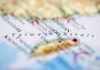
Amtrak Train 98, traveling the Silver Meteor route from Miami to New York, stopped near the Clay-Putnam county line Sunday night around 9:00 PM. Two brush fires ignited and merged, burning 2,700 to 3,000 acres with erratic behavior on both sides of the tracks. Passengers, including 232 on board, remained trapped for 18 to 24 hours near Jacksonville, DeLand, or Palatka. Overflowing bathrooms created unsanitary conditions, drawing widespread complaints on social media. This incident underscores frustrations with federal services unable to deliver reliable transport, leaving everyday Americans in limbo.
Federal Response Falls Short
The Florida Forest Service deployed crews to battle the flames, but containment stood at just 5% by Monday. Amtrak prioritized safety by halting service and monitoring conditions, yet passengers reported poor communication and initial lack of food. Snacks were provided early, followed by pizza in Orlando for some. The Amtrak Auto Train turned back to Sanford, stranding vehicles onboard. Such disruptions reveal systemic issues in government-operated rail, where bureaucracy delays resolutions and erodes public trust in institutions meant to serve the people.
Amtrak spokespeople stated the return to Miami protected passengers, promising full refunds and vouchers. Fire officials deemed tracks unsafe due to fire behavior. Despite these measures, the ordeal fueled criticism of inadequate preparedness for predictable drought-driven risks in Florida’s dry seasons.
Broader Implications for Americans
Short-term chaos hit 200-300 passengers, including families and North Carolina travelers, forcing rebookings and disrupting connections. Economic fallout includes tourism losses from cancellations. Socially, health risks arose from sanitation failures and food delays. Long-term, this exposes rail’s vulnerability to climate-driven wildfires, potentially spurring scrutiny on Amtrak’s protocols for drought-prone routes. Conservatives see this as proof of federal mismanagement—overspending on green agendas while core infrastructure crumbles—echoing shared bipartisan anger at elites prioritizing power over practical service.
Amtrak riders trapped for nearly 24 hours with overflowing bathrooms amid raging wildfires
Source: Fox News https://t.co/FTIkWuqc44— Kenneth Howard (@ScannedOne) April 22, 2026
Stakeholders and Path Forward
Amtrak managed operations but deferred to fire officials on safety. Passengers like Meg Pease from Savannah and John Reardon bound for New York voiced hardships online. The Florida Forest Service focused on containment amid statewide fire warnings. By Monday evening, most service resumed, though two trains stayed affected. This event amplifies calls for accountability in government entities, aligning with widespread belief that officials favor self-preservation over fixing problems blocking the American Dream of reliable mobility through hard work.
Sources:
Amtrak riders trapped for nearly 24 hours with overflowing bathrooms amid raging wildfires
Amtrak Forced to Cancel Routes After Fires Leave Passengers Trapped
Amtrak train stopped in Palatka, Florida, after brush fire April 2026