Illinois bomb technicians shut down miles of I-290 after reports of an explosion and a body in an SUV, but officials have not yet confirmed what actually caused the blast.
Story Highlights
- Illinois authorities closed the Eisenhower Expressway for hours as bomb technicians examined a blasted SUV [2].
- Federal agencies including the Federal Bureau of Investigation (FBI), Drug Enforcement Administration (DEA), and Bureau of Alcohol, Tobacco, Firearms and Explosives (ATF) joined the probe [8].
- Local reporting cited shell casings near the SUV and a likely gunshot-wound death, leaving the cause unresolved [7].
- Early “explosion” dispatch language reflected caution, not a final forensic finding [9].
Highway Locked Down After Reported Explosion
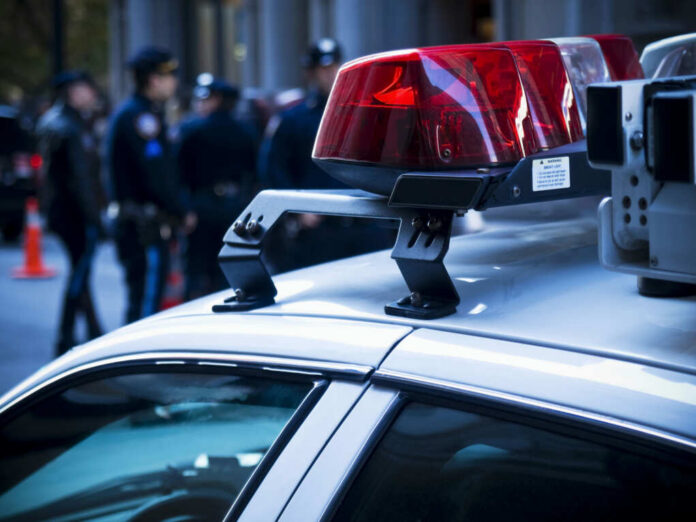
Illinois State Police shut both directions of the Eisenhower Expressway near Mannheim Road for most of the day after dispatches described an explosion and a vehicle showing heavy damage. Video showed a large police perimeter, armored technicians, and traffic diverted for miles while responders treated the scene as an active hazard. The prolonged closure lasted into the evening rush, underscoring how serious officials considered the unknown threat before carefully reopening lanes [2].
ABC affiliate coverage framed the initial response as a death investigation that required a full shutdown between 25th Avenue and Wolf Road. That posture reflected standard safety protocols when officers face a mix of fire damage, possible explosive remnants, and an on-scene fatality. Authorities prioritized clearing motorists, stabilizing the area, and controlling ignition risks before allowing any traffic to resume along the vital suburban corridor [1].
Bomb Technicians, Federal Agencies, and a Cautious Playbook
Local outlets documented a robust, layered response: county bomb technicians, Illinois State Police, and federal partners. Subsequent reporting confirmed that the Federal Bureau of Investigation, Drug Enforcement Administration, and Bureau of Alcohol, Tobacco, Firearms and Explosives assisted, a combination typically reserved for suspicious blasts or complex crime scenes that could implicate weapons, trafficking, or interstate elements. The multi-agency posture signaled seriousness, while officials still avoided declaring a confirmed device pending forensic results [8].
Veteran reporters emphasized a familiar pattern in early incident reporting: authorities use operational labels like “explosion” and “active incident” to drive safety actions before the cause is settled. That playbook protects first responders and the public, even when final results later point to non-terror causes. In this case, the shutdown, standoff posture, and methodical vehicle sweep fit the conservative principle of prudence under uncertainty, prioritizing lives over rushed conclusions [9].
Conflicting On-Scene Indicators: Shell Casings and a Dead Occupant
Later updates from local news noted that the person inside the SUV was found dead and that shell casings were seen near the vehicle, pointing investigators toward firearm-related possibilities. Reports described scanner traffic suggesting a gunshot-wound fatality, adding another layer to an already complex scene with fire damage and a suspected blast. This mix of ballistics and apparent explosion effects left the precise sequence in dispute as investigators collected physical evidence and cross-checked timelines [7].
The heavy police presence and lane closures frustrated commuters, but they also reflected the real-world challenge of mixed signals at a highway death scene. When fire damage, potential accelerants, or improvised materials cannot be ruled out quickly, law enforcement must lock down space, call specialists, and work the evidence. That diligence—though disruptive—aligns with a law-and-order priority to protect citizens first and deliver facts only when verified [2].
Why This Matters: Safety, Transparency, and Avoiding Narrative Traps
Early narratives often overshoot or undershoot because agencies speak in safety terms while media seek definitive causes. Conservatives value clear facts over spin, and this case shows why patience matters: an “explosion” label triggered life-saving protocols, while the presence of shell casings suggested a different path that could involve a shooting or self-inflicted harm. Until the coroner’s findings and lab results arrive, prudence means separating emergency posture from confirmed cause [9].
For families and commuters, the takeaway is simple: public safety requires decisive action, then transparent updates. For policymakers, the lesson is to support training, communications discipline, and interagency coordination that prevent panic and deliver clarity. The Trump administration’s law-and-order approach emphasizes empowering front-line officers, bomb technicians, and federal partners to act fast, share facts as they harden, and reject reckless speculation—especially when a single scene can look like a bombing, a firearm crime, or an accident at first glance [8].
Sources:
[1] Web – (VIDEO) Bomb Squad Called in Amid Reported Explosion on Chicago …
[2] Web – All lanes reopen after death investigation shuts down I-290 …
[7] Web – Truck explodes in Chicago’s western suburbs after crash, injuring …
[8] Web – Eisenhower Expressway reopens after person found dead …
[9] YouTube – DEA, ATF and FBI involved in investigation into explosion …