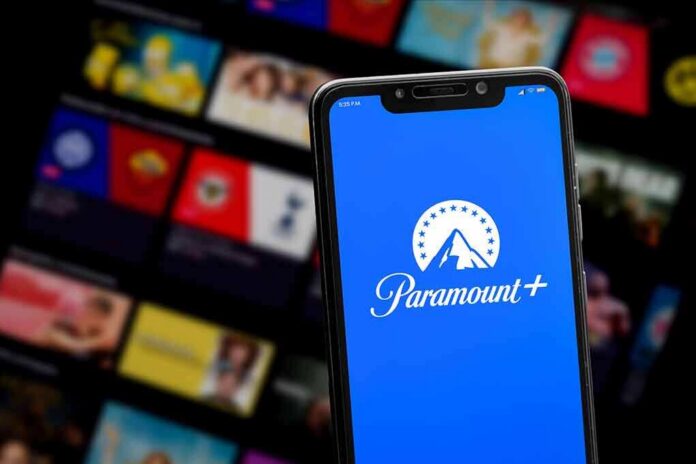
A court-enforceable settlement cleared the biggest state obstacle to Paramount’s $111 billion takeover of Warner Bros. Discovery, pushing the mega-merger within reach.
Story Highlights
- Paramount reached a settlement with California and other states that sued to block the deal.
- The agreement reportedly includes production commitments and editorial-independence safeguards.
- California’s attorney general says the settlement is not an endorsement of the merger.
- A judge must still approve the terms before closing can proceed.
What Was Decided and Why It Matters
Paramount Skydance reached a deal with California and a group of states that challenged its planned purchase of Warner Bros. Discovery. Reporters at Reuters and Bloomberg said the settlement removes the main state-level obstacle to the $111 billion merger. This outcome shifts the fight from stopping the deal to policing the company’s behavior after it closes. A federal judge still needs to sign off. But the path to a single media giant just got far more open.
California Attorney General Rob Bonta led twelve states that argued the merger would cut competition and raise prices. He warned it could mean fewer films and shows and worse quality for viewers. He now says the settlement includes court-enforceable terms to address those risks, yet he still does not endorse the merger itself. That split message is common in big cases: block the harm if you cannot block the deal.
What Is Reportedly in the Settlement
Coverage describes commitments in three main areas. First, production: Paramount would increase domestic content output, which could support jobs and choices for audiences. Second, editorial safeguards: an independence structure for newsrooms at brands like CNN and CBS News to limit top-down pressure. Third, marketplace conduct: firewalls around cable-carriage talks so the combined firm cannot strong-arm distributors. These are standard tools used to preserve competition after mergers close.
These terms reflect a broader shift in antitrust practice for media. United States law treats media deals like other mergers. Enforcers often accept conduct remedies when courts seem unlikely to block a merger outright. For citizens, the question is practical: will these promises really protect wallets and voices? The answer depends on strict monitoring, clear penalties, and a judge willing to enforce the order if the company falls short.
How This Hits Viewers, Workers, and the Market
For viewers, the risk is higher bundle prices and fewer choices if one company holds more must-have channels and franchises. That is what the states warned about all summer. For workers in film and television, the stakes are jobs, fair pay, and project volume. Production commitments can help, but only if they are large enough and audited. For theater owners and cable companies, a bigger studio can push tougher terms. That can ripple into ticket and cable bills.
Research on media consolidation shows mixed consumer outcomes. Some studies tie concentration to higher ad prices and pressure on local outlets, which can filter to consumers over time. Others find competition can shift, with gains in one area and losses in another. This is why the settlement’s details matter. Editorial boards and domestic output targets are only guardrails. If they are weak, the combined firm’s clout could still squeeze smaller rivals and local voices.
The Bigger Picture: Power, Trust, and Accountability
Americans across the spectrum worry that a few giant companies shape what we watch, read, and pay. Many also doubt that watchdogs will keep those companies honest. This case speaks to both fears. The settlement promises newsroom independence and more U.S. production. Yet it also cements one of the largest media combinations in history. Strong court oversight will be the only check that most people ever see or feel.
Here's the entire email that David Ellison just sent to Paramount staff on the settlement reached with Rob Bonta:
Team,
Just a few moments ago, California Attorney General Rob Bonta, on behalf of himself and 11 other State AGs, announced a settlement that clears the path…
— Justin Baragona (@justinbaragona) September 21, 2026
Next, the court will review the settlement and any objections. If approved, the companies will seek to close and start living under the order. Viewers should watch for signals that promises are real: steady or rising show counts, healthy local newsrooms, and cable bills that do not jump due to new leverage. If those signals fail to show up, states can go back to court. That is the leverage built into “court-enforceable” terms.
Sources:
mediaplaynews.com, reuters.com, aljazeera.com, finance.yahoo.com, hollywoodreporter.com, pbs.org, usa.inquirer.net, politico.com, ms.now