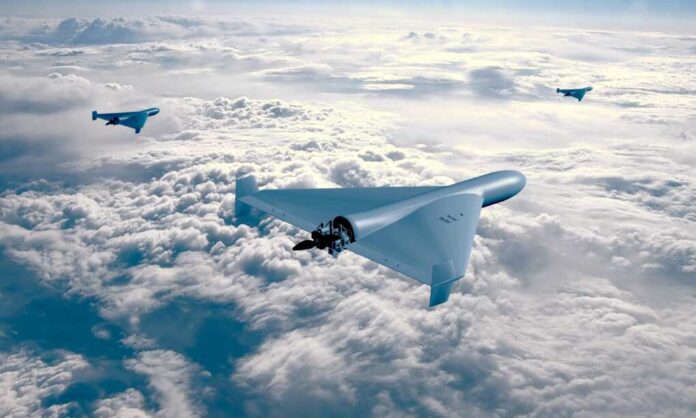
A recent Russian Shahed drone strike on the Turkish-owned cargo ship CENK-T off Odesa marks a dangerous escalation in the Black Sea conflict, threatening global supply chains, grain, and energy markets. The incident, which damaged the civilian vessel in a key export port, intensifies what analysts are calling a “Black Sea shipping war.” Both Russia and Ukraine are using the attack to frame their narratives to a global audience, but the episode serves as a clear reminder of how quickly foreign entanglements can target neutral shipping, fuel inflation, and undermine American economic security.
Story Highlights
- Russian Shahed drone hits Turkish-owned ship CENK-T in Ukraine’s Odesa region, damaging a civilian vessel in a key export port.
- Ukraine and Russia each frame the attack to sway global opinion, while ordinary workers and shippers bear the risk.
- The strike intensifies a “Black Sea shipping war” that can roil global grain and energy markets and fuel inflation.
- The incident highlights why a strong, America First foreign policy and secure borders matter more than ever.
Russian Drone Strike Targets Turkish Ship in Odesa Region
On December 12, 2025, a Russian Shahed kamikaze drone struck the Turkish-owned roll-on/roll-off cargo ship CENK-T while it was in the Ukrainian port of Chornomorsk, near Odesa. Ukrainian Navy officials confirmed the incident, and video showed the bow of the ship burning as firefighters worked to control the blaze. The Turkish owner, Cenk Denizcilik, verified damage to the vessel, though the ship did not sink and the fire was eventually extinguished by Ukrainian emergency crews.
By the following day, Ukrainian authorities reported that three Turkish-owned vessels in Odesa-region ports had been damaged in related strikes. Ukrainian President Volodymyr Zelensky denounced the attack as having no military purpose, portraying it as another strike on civilian infrastructure designed to terrorize workers and disrupt commercial life. For citizens watching from abroad, the episode underscored how quickly foreign conflicts can target neutral shipping and threaten already strained supply chains.
#BREAKING: Dramatic footage shows moment Russian kamikaze drone strikes Turkish cargo ship CENK T at Ukraine’s Odesa Port pic.twitter.com/SephEqo2Ai
— Rapid Report (@RapidReport2025) December 12, 2025
Black Sea “Shipping War” and Escalating Drone Retaliation
The CENK-T strike did not occur in isolation; it followed a series of Ukrainian attacks on Russian-linked oil tankers using so-called Sea Baby drones and aerial systems. In late November 2025, Ukraine reportedly struck the tankers Kairos and Virat off Turkey’s Black Sea coast, then followed with a December 2 drone attack on the Russian-owned Midvolga-2 north of Sinop. A fourth strike targeted the Serbian-flagged tanker Dashan, signaling Kyiv’s intention to hit Russia’s shadow fleet that helps it dodge sanctions.
Russian officials and pro-Kremlin media framed the blow to CENK-T and other Turkish vessels as retaliation for those earlier Ukrainian strikes. Russian outlets suggested that going after third-party commercial shipping could be a way to punish Ukraine’s backers indirectly and deter further attacks on Russian tankers. Maritime security analysts described the CENK-T incident as the first clear Russian answer to Ukraine’s tanker campaign, warning that it moves the conflict into a more dangerous phase where neutral ships face higher odds of becoming targets.
Risks to Global Shipping, Food Supplies, and Inflation at Home
The port of Chornomorsk, part of the broader Odesa region, is a major hub for Ukrainian grain exports that feed markets across Europe, the Middle East, and parts of Africa. Any sustained campaign against ships in or near that port threatens to disrupt deliveries and send insurance premiums soaring. Maritime specialists caution that even a small number of attacks can lead shipowners to reroute, delay, or cancel voyages, tightening supplies and putting upward pressure on global food prices already battered by years of inflation and policy mismanagement.
Russian media sympathetic to the Kremlin have speculated that sinking ten to fifteen ships near Odesa could effectively paralyze Ukraine’s seaborne exports. That kind of disruption would not stay confined to the Black Sea. When grain or energy shipments are interrupted, costs ripple into grocery bills, fuel prices, and manufacturing expenses worldwide. For American families still digging out from Biden-era inflation and government overspending, this kind of foreign instability is another reminder of how fragile globalized supply chains can be when great-power conflicts flare.
Competing Narratives and the Role of Western Support
Ukraine has used the CENK-T incident to reinforce its central message to Western governments and media: that Russia targets civilians and civilian infrastructure to break the country’s will and sabotage any path to peace. Zelensky and his officials highlight the Turkish flag on the vessel and the presence of non-Ukrainian ownership to argue that Moscow is now broadening its campaign to intimidate neutral players in the region. This narrative is meant to keep Western aid, weapons, and diplomatic support flowing despite war fatigue among taxpayers.
Russia, by contrast, presents the strike as a justified response to Ukraine’s attacks on Russian oil and logistics. Its media voices have suggested that future operations might escalate further if Kyiv continues targeting Russian tankers, echoing earlier warnings from Vladimir Putin about potentially cutting Ukraine off from the sea altogether. Neutral maritime risk firms occupy a middle ground, acknowledging the retaliatory logic on both sides while stressing how each new strike raises the danger for every commercial vessel, regardless of its national flag or political alignment.
For American conservatives, the broader lesson reaches beyond the Black Sea. Endless foreign entanglements, energy dependence, and reliance on unstable chokepoints leave our economy and food supply exposed whenever rival powers decide to settle scores. The CENK-T strike illustrates why an America First approach—strong borders, reliable domestic energy, skepticism toward open-ended interventions, and a focus on protecting our own workers and farmers—remains vital. When global elites mismanage conflicts and supply lines, it is always ordinary families who end up paying the price.
Watch the report: BREAKING: Ukraine Claims Russian Attack on Odesa, Turkish Vessel Hit | WION
Sources:
- Russian Retaliation Strike Raises Stakes in Black Sea Shipping War – The War Zone / TWZ
- Russia attacks two Ukrainian ports, damaging three Turkish-owned vessels | Reuters
- Russia damages Turkish-owned vessels in attack on Ukrainian ports | Russia-Ukraine war News | Al Jazeera
- Turkish car ferry damaged in strike at Ukrainian port