Newly released body camera footage pulls the Folly Beach wedding-night crash back into public view, and the arrest scene is just as unsettling as the wreck itself.
Quick Take
- The footage shows Jamie Lee Komoroski after the April 2023 crash that killed Samantha Miller and injured three others.
- Reporting says Komoroski was arrested at the scene and later faced felony driving under the influence and reckless homicide charges.
- News coverage says a toxicology report put her blood alcohol level at 0.261, more than three times the legal limit.
- The clip has renewed debate over drunk driving, police procedure, and how fast public outrage hardens into certainty.
What the footage shows
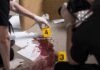
Live 5 News and other outlets say the video was released years after the crash and shows officers responding to the scene, speaking with Komoroski, and handling the arrest process. Reporting also says the golf cart carrying the newlyweds and two others was struck as they returned from the reception, with Samantha Miller dying at the scene and the other occupants injured.
The arrest footage is striking because it captures the gap between the human drama of the crash and the cold steps of police work. In the clips described by reporters, Komoroski asks to call her father, disputes what officers are saying, and refuses breath testing while police explain the next steps. That does not change the crash facts, but it does show how quickly a high-profile case moves from roadside chaos to booking-room confrontation.
The evidence trail around the crash
Multiple reports say police identified Komoroski as the driver of a Toyota sedan that hit the low-speed vehicle carrying the wedding party. News coverage also says investigators reported a speed of about 65 miles per hour in a 25-mile-per-hour zone, and a toxicology report later showed a blood alcohol content of 0.261. Those figures are central because they frame the case as more than a tragic accident.
The legal outcome is already severe. Reporting says Komoroski pleaded guilty and was sentenced to 25 years in prison for the crash that killed Miller. That matters because the case is no longer just a matter of accusations or speculation. The public debate has shifted toward how the arrest was handled, how the evidence was presented, and why dramatic footage often reaches viewers long after the underlying legal record is already settled.
Why the video keeps getting attention
The clip resonates because it fits a larger pattern in news coverage: a deadly crash, a vivid victim story, and a suspect whose arrest footage invites instant judgment. The bride-on-wedding-night detail makes the case emotionally powerful, but it can also compress the public’s view of the evidence into a simple morality tale. That dynamic fuels distrust on both sides, with some readers seeing accountability and others seeing a system that explains itself too late.
The procedural side still matters, even after a guilty plea and long sentence. Reports note that the first breath test machine was said to be malfunctioning and that Komoroski was taken for a proper blood alcohol test. That detail does not undo the crash facts. It does show why police footage, toxicology results, and court records keep drawing attention long after the headlines fade.
Sources:
youtube.com, silive.com, katv.com, instagram.com, fitsnews.com, abc7.com, today.com, mlive.com, cbsnews.com, abcnews4.com, postandcourier.com