Washington approved a $99.6 million federal export loan to fund mobile network gear in Angola, aiming to boost U.S. tech influence and counter China.
Story Snapshot
- The Export-Import Bank of the United States approved a $99.6 million direct loan for Africell’s Angola network buildout.
- The money will buy American and European mobile equipment and services, with Africell saying it supports U.S. telecom jobs.
- Reporting links the loan to U.S. efforts to check Huawei’s reach in African telecom infrastructure.
- Coverage places the move within wider competition over digital and transport corridors in Africa.
What The Government Funded And Why It Matters
The Export-Import Bank of the United States approved a $99.6 million direct loan to Africell for projects in Angola. Africell says the money will buy American and European mobile network technology for use in its Angolan operations. Reuters reported the move as part of a U.S. push to limit China’s Huawei in Africa’s telecom sector. This is a classic export-credit play: use public finance to back U.S. suppliers, secure orders, and expand influence in a strategic industry.
Africell frames the loan as good for American workers and for U.S. technology leadership abroad. The company says the plan will support U.S.-based employment in telecommunications and help expand trusted equipment in a region where Chinese vendors are strong. Independent coverage echoes the strategic angle. Outlets describe the move as designed to build a more secure path for future U.S. and allied digital projects in sub-Saharan Africa. The government aims to marry commercial wins with national security goals.
How Angola’s Buildout Fits A Bigger Contest
Reuters reported that the administration’s push is directly tied to countering Huawei’s advance in African networks. For years, China’s policy banks have backed Huawei and ZTE with credit that helps them win contracts across the continent. Studies and project records document these state-supported telecom deals, which often bundle financing with gear and services. The U.S. is now leaning on its own export-credit tools to compete. Angola is one theater in a broader fight over who builds and runs digital rails in Africa.
Some coverage also links the Africell investment to activity around the Lobito Corridor. That corridor is a transport and infrastructure push meant to connect resources and markets across parts of southern Africa. Reports say the loan aligns with wider plans to develop rail, bridges, and broadcasting alongside digital links. While those corridor documents are not part of the public loan notice here, the tie shows how telecom and trade routes move together. Whoever sets the standards can shape data, commerce, and security flows.
What This Means For Americans Watching Their Wallets
Export-Import Bank loans are not grants. They are financing tools meant to back U.S. exports when private lenders step away or when foreign state banks tilt the field. Supporters argue this keeps American firms in the game, sustains factory orders, and protects national security. Africell and press reports say this deal will channel spending to U.S. and allied vendors and check risky supply chains tied to rivals. That matches long-standing export-credit policy used by many countries.
Africell confirms US$99.6m ExIm loan to buy US gear for Angola networkhttps://t.co/zztEObO1Ky
— Developing Telecoms (@DevTelecoms) September 14, 2026
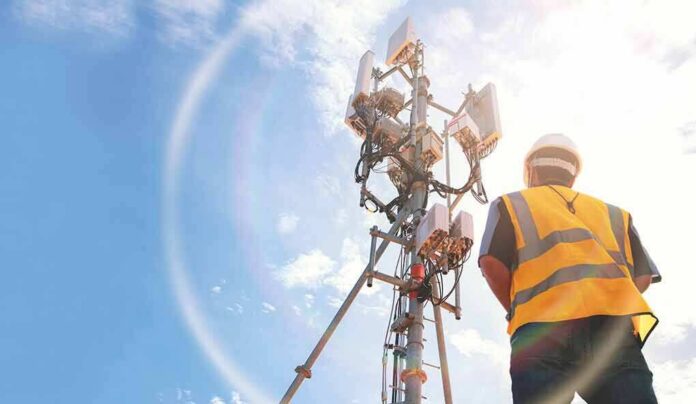
Still, the headline is simple and sharp: nearly $100 million in public-backed finance for cell towers and network gear in a foreign country. Reason and syndicated write-ups highlight that tension and point to the political risk when taxpayers see overseas infrastructure in the news. The public documents here focus on the announcement and its aims. They do not spell out vendor lists or job counts, so firm-by-firm gains are not visible in the record provided. The core fact stands: Washington is using export finance to win ground in a key tech race.
Sources:
reason.com, novojornal.co.ao, telecompaper.com, abcnews.com, developingtelecoms.com