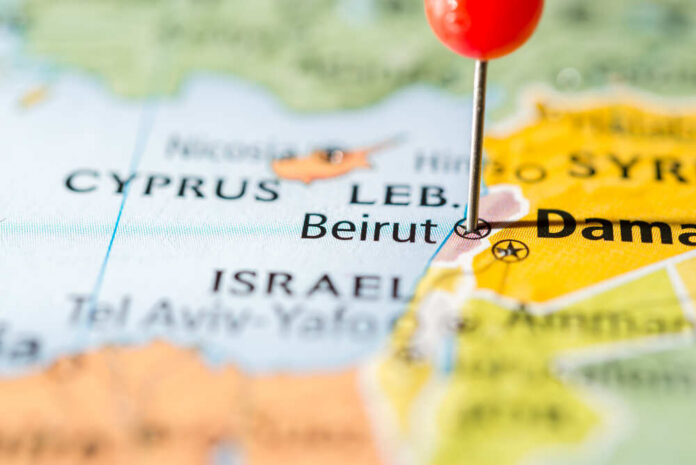
Israel’s first confirmed strike on Beirut in this conflict shows how fast Iran’s proxy war can drag civilians into the line of fire—while President Trump signals the U.S. won’t tolerate empty threats from Tehran.
Story Snapshot
- Day 4 (March 3, 2026) saw Israeli strikes in both Beirut and Tehran as the U.S.-Israel-Iran conflict widened in scope.
- President Trump warned Iran publicly that harder hits could be coming after Iran threatened major retaliation.
- Israel targeted Iranian state media and government-linked sites in Tehran, while Hezbollah-linked targets in Lebanon drew Israeli fire.
- Iran’s retaliatory pattern has appeared uneven, with analysts citing coordination problems and competing units.
Beirut Enters the Battlefield as Hezbollah Escalation Meets Israeli Force
Israeli strikes hit Beirut on March 3 as the war’s fourth day brought Lebanon more directly into the fight through Hezbollah, Iran’s most powerful regional proxy. Reporting and timelines indicate Hezbollah rocket fire from Lebanon followed the killing of Iran’s Supreme Leader Ali Khamenei earlier in the conflict, increasing pressure on Israel’s northern front. The Beirut strikes underscore a reality the Biden years often dodged: Iran’s “proxies” are not separate wars—they are the same network.
Israel’s move also highlights how quickly Iran-linked violence spreads beyond a single battlefield when Tehran’s leadership feels cornered. While specific target details in Beirut vary across reports, the core point is consistent: Hezbollah’s involvement brings a major population center into play, creating higher risks for civilian harm and wider regional instability. With Hezbollah embedded among civilian infrastructure, military actions can carry heavy consequences, even when aimed at armed actors.
Tehran Under Pressure: Strikes Hit State Media and Government-Linked Sites
Israeli operations in Tehran continued on Day 4, including strikes tied to Iran’s information and security apparatus. Accounts describe attacks affecting Iran’s state broadcaster facilities and other government-connected locations, reinforcing the strategy of disrupting command, propaganda, and internal control systems. Timelines also describe heightened internal security inside Iran, including checkpoints and public signals of strain such as food stockpiling—indicators that the regime expects prolonged pressure rather than a short exchange.
Iran’s response has included missiles and drones aimed at Israeli and U.S.-linked targets, with some Iranian claims not corroborated by Western reporting. Analysts at the Institute for the Study of War assessed that aspects of Iran’s March 1 retaliation appeared inconsistent, suggesting coordination struggles among units. That kind of fragmentation matters because it can make escalation less predictable: a regime that cannot tightly control its own forces is more prone to miscalculation, especially across multiple theaters.
Trump’s Warning Changes the Signaling: Deterrence Over “Process”
President Trump used public messaging to frame Iran’s threats as a trigger for even heavier consequences, pointing to Iran’s statement that it would strike “hard today” and warning that Iran could be hit “harder than they have ever been hit before.” This approach is a clear break from the diplomatic ambiguity many voters associate with the prior era. The message is straightforward: threats and proxy attacks will not be treated as background noise while talks drag on.
U.S. operational involvement has been described as significant, with reporting noting a major military effort and coordination with Israeli operations. In the early days of the conflict, strikes reportedly targeted Iranian leadership and key military and nuclear-related sites after negotiations failed and intelligence judged the nuclear trajectory unacceptable. For Americans wary of endless wars, the key limitation is that details remain fluid, casualty counts are incomplete, and some battlefield claims are contested.
Energy and Security Risks Rise as the Conflict Spreads Across the Region
Beyond the direct exchanges, regional spillover remains the biggest danger for global stability and American interests. Reports describe attacks affecting shipping in and around the Strait of Hormuz, an economic choke point that can quickly translate into higher energy costs. Iran’s drone activity and proxy involvement add layers of uncertainty, while U.N. coverage reflects ongoing international concern without clear enforcement tools. The combination of urban strikes, proxy launches, and shipping risk raises the stakes fast.
For conservatives focused on national sovereignty and constitutional government, the immediate domestic question is accountability: what are the objectives, what defines success, and how will escalation be controlled. The research indicates no sign of de-escalation by Day 4, while leadership decapitation and air-defense degradation suggest Iran is under heavy stress. What remains uncertain is whether pressure produces containment—or prompts broader retaliation through proxies across the region.
Limited public data leaves some specifics unresolved, including exact damage assessments and a fully verified casualty picture across all fronts. Even so, Day 4’s defining development is clear: the conflict moved deeper into major capitals—Beirut and Tehran—while Trump’s warning aimed to restore deterrence and keep Iran from believing it can outlast consequences through proxies and propaganda.
Sources:
Xinhua report on the escalating Iran conflict and regional repercussions (English News)
Iran war timeline: What you need to know (Global News)
Iran Update, Evening Special Report — March 1, 2026 (Institute for the Study of War)
UN News coverage on the fourth day of hostilities and international response