
A looming natural gas crisis threatens to deliver skyrocketing energy bills and economic pain to American families, exposing the perils of overreliance on unstable foreign suppliers.
Story Highlights
- Goldman Sachs warns of a “very painful” natural gas shock rivaling the oil crisis due to Qatar’s LNG facility outage.
- Natural gas prices have surged 50-70%, with potential for another 50-100% increase if supply issues persist.
- Qatar’s Ras Laffan, the world’s largest LNG plant, faces 3-5 years of repairs after attacks, crippling one-fifth of global supply.
- Critical April-October inventory window leaves nations racing to rebuild stocks before winter, with no quick fixes available.
Goldman Sachs Issues Dire Warning
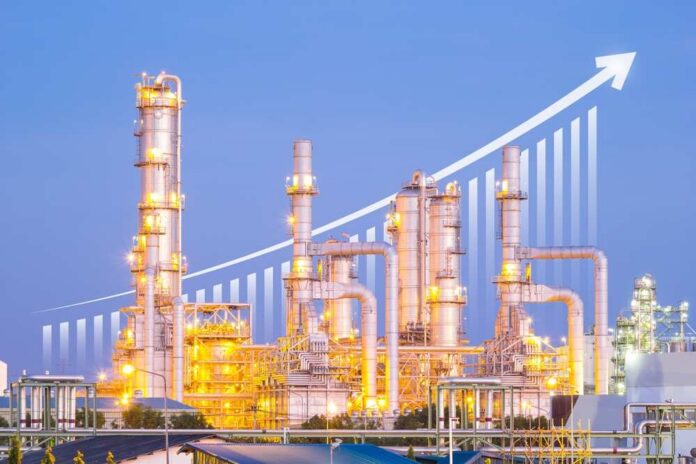
Goldman Sachs analysts alerted markets to an impending natural gas crisis centered on QatarEnergy’s Ras Laffan Industrial City. Recent attacks knocked the world’s largest LNG facility offline. Samantha Dart, co-head of global commodities research, described the situation as potentially “very painful” if disruptions continue through the winter inventory-building season. Natural gas prices already climbed 50% to 70% from baseline levels. Qatar supplies one-fifth of global LNG, creating a massive supply chokepoint.
Seasonal Market Vulnerabilities Exposed
Natural gas markets differ fundamentally from oil due to their seasonal nature. Countries build inventories from April to October to meet winter heating and power demands. Disruptions now create a narrow window for restoration by October’s end. Dart emphasized that any inventory shortfall today requires complete offset by fall. The global LNG system lacks spare capacity to fill the gap quickly. Limited switching to coal offers no real relief without deeper demand cuts.
Catastrophic Damage Demands Rebuild
QatarEnergy estimates three to five years to restore full capacity at the damaged facility. Dart clarified this timeline means rebuilding two liquefaction trains from scratch, not mere repairs. The infrastructure suffered such severe damage that reconstruction proves necessary. Attacks amid broader Middle East conflicts targeted energy assets, including strikes on Iranian and Gulf facilities. A recent two-week US-Iran ceasefire offers only temporary respite. China’s redirected surplus gas provides fleeting market relief.
Economic Ripple Effects Hit Home
Higher natural gas prices threaten stagflationary pressures across portfolios, with Europe’s “triple whammy” of oil, gas, and electricity costs as a warning. US families face steeper heating and utility bills this winter. Energy-intensive industries like chemicals, steel, and fertilizers confront production squeezes. Labor markets feel the strain, with estimates of 10,000 fewer jobs monthly through year-end. Goldman highlights muted impacts from domestic shale but persistent vulnerabilities.
Shared Frustrations Over Energy Dependence
Americans across the political spectrum share anger at elite mismanagement leaving families exposed to foreign energy whims. Conservatives decry past globalist policies inflating costs through restricted fossil fuels. Liberals lament inequality widened by price shocks hitting the vulnerable hardest. Both sides recognize federal failures prioritizing reelection over secure domestic production. President Trump’s America First agenda underscores the need for energy independence via US LNG exports, though spare capacity remains limited.
Sources:
Goldman warns of ‘very painful’ natural gas shock that could rival oil crisis
Goldman warns portfolios vulnerable to stagflationary shock from oil surge
Goldman Sachs draws 3 major conclusions from oil supply shocks