For the seventh straight night, the U.S. hit Iranian military sites while shipping lanes and global prices stayed on edge.
Story Snapshot
- U.S. Central Command said night-seven strikes targeted Iranian military systems and logistics.
- U.S. officials tied the strikes to earlier attacks on three commercial vessels in the Strait of Hormuz.
- Reports say some hits included dual-use infrastructure like bridges and rail, raising civilian-impact questions.
- Analysts warn energy markets and regional stability face growing risks as escalation continues.
What The U.S. Says It Hit And Why It Matters
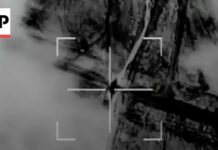
U.S. Central Command reported a seventh consecutive night of strikes aimed at degrading Iran’s military capacity. Officials listed targets that enable maritime attacks and surveillance, including air defense, command networks, coastal radar, anti-ship systems, and dozens of small boats used by the Islamic Revolutionary Guard Corps. The military said President Donald Trump directed the campaign after declaring an end to a fragile truce. Command statements emphasized military goals and avoiding civilian harm, while releasing strike footage to support those claims.
U.S. officials linked this latest wave to Iranian attacks on three commercial vessels moving through the Strait of Hormuz, one of the world’s busiest energy lanes. The military framed the mission as protecting shipping and restoring deterrence after repeated threats at sea. A Central Command spokesperson contrasted U.S. targeting rules with Iranian behavior, saying the U.S. does not target civilians and accusing Iran of striking mariners and civilians in the region. Those assertions are central to Washington’s legal and moral case.
Disputed Triggers And Gaps In Public Evidence
While the U.S. cited three struck vessels as the trigger, public details remain thin. No official release provided vessel names or incident logs that independent outlets could confirm at the time of reporting, leaving a gap that fuels doubt among skeptics. This lack of verifiable identifiers does not disprove the U.S. claim, but it does limit outside review. In high-stakes fights, missing details become leverage in the information war, shaping who the public trusts and how allies respond.
Iran and some media accounts argue the maritime attacks were retaliation for earlier U.S. and Israeli actions, casting Tehran’s moves as defensive. That narrative competes with Washington’s account that Iran escalated first against civilian shipping. Meanwhile, reporting notes the U.S. campaign has at times expanded to bridges and rail lines. Those targets can serve military logistics, but also support civilian life, which raises hard questions about real-world impact despite stated care to avoid noncombatants.
Human Costs, Market Jitters, And Regional Blowback
Iranian officials have reported deaths and injuries from the strikes, but U.S. sources have not confirmed those figures. Independent counts remain scarce, and neither side has offered a full, shared casualty ledger that outside groups can verify. This fog leaves families and onlookers uncertain about the true toll. It also deepens the broader frustration many Americans feel with opaque wars, slow answers, and institutions that seem to protect themselves before they protect the public interest.
Every night of strikes raises the chance of miscalculation. The New York Times reported concerns that the pressure could tip into wider war, while energy and shipping markets react to any threat at the choke point of the Strait of Hormuz. Past cycles show that tit-for-tat hits hurt both sides and often end with a pause, not a fix. Without transparent evidence, clear goals, and a path to de-escalation, families here at home pay with higher prices and lasting uncertainty about where this ends.
Sources:
usnews.com, bbc.co.uk, bloomberg.com, aljazeera.com, straitstimes.com