As Washington warns of Chinese biotech dominance, a new House investigation says U.S. drug giants may be handing cutting-edge medical know‑how straight to China’s military.
Story Snapshot
- House China committee cites hundreds of U.S. drug trials run with Chinese military-linked hospitals and in Xinjiang.
- Pfizer, Eli Lilly, Merck and others face questions on whether sensitive drug data and patents are exposed to China’s military.
- Lawmakers warn Uyghur patients in Xinjiang may have been forced into trials that still feed profits to American firms.
- Food and Drug Administration (FDA) and Congress clash over weak oversight as China races to dominate biotech and drug innovation.
Congressional Probe Into Trials With Chinese Military
A bipartisan House committee focused on China has opened a sweeping probe into U.S. pharmaceutical companies that ran clinical trials with hospitals tied to the People’s Liberation Army, China’s military, over the past decade. Lawmakers say public data on the federal database ClinicalTrials.gov shows “hundreds” of trials where at least one research partner has “PLA” in its name, including work on major cancer and Alzheimer’s drugs from top U.S. brands.
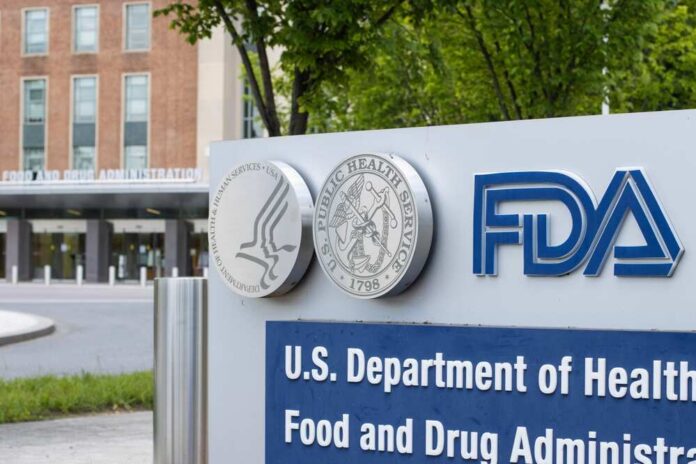
The committee’s August 19 letter to Food and Drug Administration (FDA) chief Robert Califf calls this an “alarming practice” and asks for a full accounting of which companies and trials were involved. Axios reports that examples flagged include Eli Lilly’s Alzheimer’s medicine donanemab, sold as Kisunla, and Pfizer’s kidney cancer drug axitinib, sold as Inlyta, both tested with People’s Liberation Army–linked institutions in China. Lawmakers say they want answers on how many trials, which sites, and what data were shared.
Xinjiang, Uyghur Abuses, And Ethical Red Lines
The probe focuses heavily on trials in Xinjiang, a region where the Chinese Communist Party has been accused by the U.S. government of genocide against the Uyghur Muslim minority. In their letter, Representatives John Moolenaar, Raja Krishnamoorthi, Neal Dunn, and Anna Eshoo warn of “significant ethical concerns” around testing drugs in hospitals that serve a population facing mass detention and surveillance. They cite reports that Xinjiang hospitals have forced Uyghurs to surrender bodily autonomy, including blood and tissue.
The lawmakers say U.S. companies may be “unintentionally profiting” from data gathered in trials where patients were forced to take part. That claim taps into a deeper anxiety shared by both conservatives and liberals: that big corporations chase cheap research, even when it means using vulnerable people in abusive systems. Yet, so far, the public record does not show direct evidence from patient testimony or on‑site audits proving forced participation in the specific named trials. The committee’s language highlights risk and suspicion, not completed legal findings.
Intellectual Property Risks And FDA’s Role
Beyond human rights, the committee warns that these joint trials could hand China’s military a shortcut to America’s most valuable drug secrets. Under China’s national security laws, medical and genetic data collected in these facilities can be claimed by the state. Lawmakers fear that trial partners tied to the People’s Liberation Army gain insight into drug mechanisms, side‑effect profiles, and patient responses that help Chinese firms copy, improve, or compete with U.S. medicines.
The letter presses the FDA to explain how it checks intellectual property risks when U.S. firms run trials with Chinese military sites. It also notes that the FDA has already refused to approve some cancer drugs that relied only on Chinese trial data, saying the agency questioned data quality and oversight. That precedent fuels the committee’s push: if the FDA doubts Chinese data enough to block drugs, why has it not moved faster to question trials linked to the People’s Liberation Army and Xinjiang?
Big Pharma’s Compliance Claims And Gaps
Pharmaceutical companies answer that they follow strict rules when running trials abroad, including collecting detailed information on each investigator’s financial ties and possible conflicts. Legal guidance for drug developers describes “reasonable processes” such as standard questionnaires and regular updates to ensure investigators meet FDA rules and do not hide payments, stock holdings, or patent interests. These compliance systems are meant to prevent corruption and protect data.
But critics note that none of the public corporate statements tackle the specific trials named by Congress. Eli Lilly and Pfizer say they protect intellectual property and vet partners, yet they have not released trial IDs, site lists, or data‑flow audits that show exactly how they shielded drug secrets when working with People’s Liberation Army hospitals or Xinjiang facilities. That leaves a gap between general promises and the hard details many Americans now demand when national security and human rights are on the line.
Regulatory Blind Spots And Uyghur Forced Labor Law
One of the most troubling pieces of this story is a legal loophole. The Uyghur Forced Labor Prevention Act was designed to stop goods made with forced labor in Xinjiang from entering U.S. markets, hitting sectors like cotton, tomatoes, and electronics. However, a 2024 analysis by the Center for Advanced Defense Studies, cited by The Wire China, found that drug manufacturers are effectively exempt. That means pharmaceutical trials and products tied to Xinjiang can continue with far less scrutiny than other industries.
HOUSE PROBES BIG PHARMA CHINA TIES
US House committee is investigating $MRK and $ABBV over potential clinical trials in China that may have boosted the military's capabilities.
— CHItrader (@CHItrader) June 30, 2026
This exemption creates a “regulatory blind spot” that weakens the House committee’s ability to turn concerns into direct sanctions or import bans. The Wire China also reports that key questions the committee asked the FDA two years ago about inspections of Xinjiang hospitals and military medical sites “remain unanswered.” For many Americans, on the right and the left, this silence fits a familiar pattern: agencies move slowly, powerful industries lobby hard, and ordinary citizens feel the system protects large companies and foreign partners more than it protects American security, values, or vulnerable people.
China’s Biotech Rise And U.S. Dependence
The fight over these trials sits inside a larger struggle over who will lead the future of medicine. Senate and House hearings have warned that China is racing to dominate life sciences and drug development. One expert told senators that China plans to spend a high share of its national output on life sciences research and uses talent programs to pull U.S. scientists and know‑how overseas. Witnesses say China now accounts for a large share of new drug licensing deals worldwide, up sharply in just a few years.
At the same time, U.S. dependence on China for drug ingredients keeps growing. A study by the Brookings Institution estimates that Chinese‑made active pharmaceutical ingredients are found in roughly one‑quarter of the drug volume sold in America. Other data show China plays a huge role in early steps of drug chemical production, where oversight is weakest. These trends fuel fears that Washington is letting short‑term profit and cheap production override long‑term security, leaving both conservatives and liberals worrying that “the elites” in government and industry are asleep at the wheel.
Where The Evidence Stops — And What Comes Next
It is important to separate what is known from what is feared. Public records do show many trials with partners that carry the People’s Liberation Army name, and they show U.S. firms working in Xinjiang while human rights abuses are widely reported. They also show legal gaps, such as the drug industry’s effective escape from key Uyghur forced labor sanctions. But there is not yet public forensic proof that a specific U.S. drug’s core patents were stolen in these trials or that named patients were forced into a particular study.
The House committee is now pushing for more: detailed trial lists, FDA inspection records, and evidence trails that could confirm or disprove intellectual property theft and coerced participation. For citizens who feel the federal government is failing them, this case is a test. Will Congress and regulators finally confront the mix of corporate profit, Chinese state power, and weak oversight that has grown for years in medicine? Or will the story join a long line of warnings that fade while China tightens its grip on biotech and Americans keep taking pills made, tested, or perfected under rules they never agreed to?
Sources:
[1] Web – Are We Handing Biotech to Chinese Military? House Panel Demands …
[2] Web – Congress probes pharma work with Chinese military – Axios
[3] Web – Moolenaar, Lawmakers Uncover Evidence of U.S. Pharmaceutical …
[5] Web – Lawmakers spotlight studies run at China military hospitals
[12] Web – Krishnamoorthi, Moolenaar Uncover Evidence of U.S. …
[18] Web – U.S.-China Cancer Trial Collaboration: Political and Regulatory …