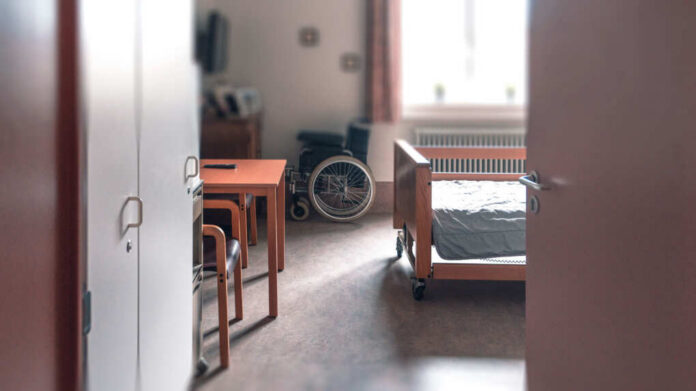
When life-or-death cancer drugs are being infused in living rooms instead of hospitals, every unclear instruction, missing translation, or invisible approval signature becomes a quiet but very real risk.
Story Snapshot
- Johns Hopkins Care at Home offers a Spanish video on how to infuse chemotherapy at home, positioning it as step‑by‑step patient instruction.[1][2]
- The video reflects a broader shift toward home cancer treatment, which can ease hospital burdens but pushes high‑risk care onto families.[1][9][10]
- Spanish‑speaking patients often rely on fragmented materials—videos, PDFs, and handouts—without a transparent, unified protocol.[1][3][10]
- Trust in large medical systems is fragile, and lack of visible clinicians, translators, or approval chains can deepen public skepticism.[1][2][3]
What Johns Hopkins Is Teaching Spanish Speakers To Do At Home
Johns Hopkins has released a Spanish‑language video titled as a how‑to guide for infusing chemotherapy at home, clearly presented as Johns Hopkins Care at Home instructional content for patients and families.[1][2] The Spanish transcript identifies “Johns Hopkins Home Care Group” as now known as “Johns Hopkins Care at Home” and explicitly tells viewers to follow the instructions in the video, signaling that this is intended as formal patient‑facing guidance rather than informal commentary or marketing material.[1]
The English version, “Chemo Takedown: How‑to Infuse Chemotherapy at Home,” is framed in its description as a step‑by‑step resource for home chemotherapy, reinforcing that both language versions are part of an institutional education effort.[2] Within the Spanish content, narrators walk patients through connecting and disconnecting medication tubing, opening clamps, operating an infusion pump, maintaining sterility around the catheter hub, and disposing of used materials in dedicated chemotherapy sharps containers.[1][2] These are high‑risk, device‑specific actions normally done by trained nurses.
Home Chemotherapy: Convenience, Risk, And Fragmented Guidance
Major cancer centers now routinely shift parts of chemotherapy care into the home, using portable infusion pumps or oral chemotherapy so patients can avoid long hospital stays and crowded infusion centers.[2][7][10] National and international guides in Spanish describe how some patients learn to infuse chemotherapy themselves with pumps or syringes, or take powerful oral agents at home, provided they follow strict safe‑handling and hygiene rules to protect themselves and family members from exposure.[2][3][5][10] This model reduces hospital costs but depends heavily on the clarity of home‑education materials.
Spanish‑language safety documents from organizations such as Saint Jude Children’s Research Hospital and other oncology groups stress core principles that align with the Johns Hopkins videos: washing hands before and after touching chemotherapy, using gloves when handling medicine or body fluids, keeping drugs away from children, cleaning contaminated surfaces with soap and water, and discarding contaminated items safely.[2][3][5][6] Broader home‑safety guides in Spanish also explain that cancer drugs can remain in urine, stool, vomit, and blood for up to seventy‑two hours after treatment, and that families should use gloves, double‑bag trash, and wash soiled clothes separately in hot water.[5]
Translation, Transparency, And The Trust Gap In Elite Medicine
The Johns Hopkins Spanish infusion video sits in a larger pattern in which big health systems offer patient education in Spanish, but often in fragmented pieces—one YouTube clip here, one PDF there, and a campus or visitor map somewhere else—rather than in a single, clearly version‑controlled protocol that patients and caregivers can easily verify.[1][3][6][10] Johns Hopkins appears in multiple Spanish‑language cancer resources, from prevention materials and palliative‑care manuals to international clinical guides, reinforcing its global influence but also concentrating public scrutiny on how carefully its content is adapted and approved.[3][4][6][8][10]
The available record for the home‑chemotherapy video identifies Johns Hopkins Care at Home as the author, but it does not publicly name the specific nurse educators, pharmacists, oncologists, or translators who validated the Spanish script.[1][2] In a political climate where many Americans on the left and right already distrust large institutions and “elites,” that lack of visible accountability can fuel skepticism, even when the underlying instructions closely match widely accepted safety practices for home chemotherapy handling.[1][2][5][6] This is the tension: patients are being asked to perform hospital‑level care without hospital‑level transparency into who wrote the rules.
Sources:
[1] YouTube – Chemo Takedown: How to Infuse Chemotherapy at Home – Spanish
[2] YouTube – Cómo realizar infusiones en el hogar con una bomba de …
[3] YouTube – Chemo Takedown: How-to Infuse Chemotherapy at Home
[4] Web – Johns Hopkins Publica ‘Guía Clínica’ Para Implementar Plasma De …
[5] Web – Investigadores de Johns Hopkins Desarrollan Una Nueva …
[6] Web – Johns Hopkins Guides: Antibiotic (ABX), Diabetes, HIV & Psychiatry
[7] Web – Prevención del Cáncer en Johns Hopkins | PDF – Scribd
[8] Web – Cáncer en estadio 1 y quimioterapia: guía para pacientes
[9] Web – [PDF] Guía de Práctica Clínica sobre Cuidados Paliativos – Osakidetza
[10] Web – Quimioterapia en Estambul – TOP 10+ clínicas y los precios 2026