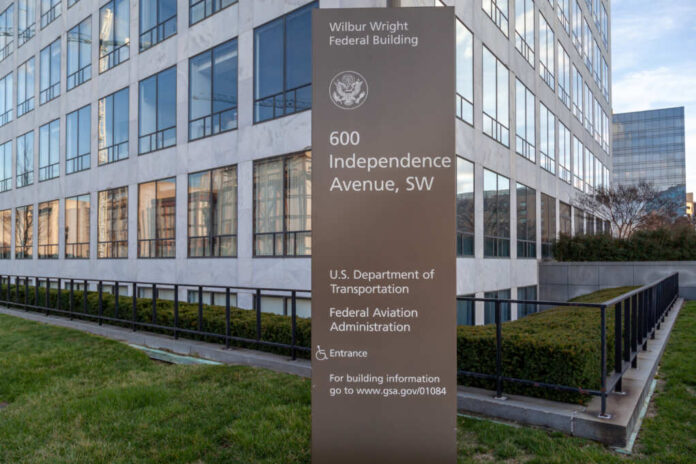
The Federal Aviation Administration (FAA) has issued urgent advisories to U.S. airlines and pilots, warning of potential military activities and navigation interference across a broad swathe of Latin America. These new notices, expanding far beyond previous regional warnings, reflect escalating tensions and recent U.S. military operations targeting drug cartels, creating significant operational challenges for civil aviation.
Story Highlights
- FAA issues warnings over potential military activities in Latin America.
- Warnings follow U.S. military operations against drug cartels.
- New advisories expand the scope beyond previous Venezuela-specific warnings.
- President Trump intensifies anti-cartel actions, shifting focus to land operations in Mexico.
FAA Issues Warnings Amid Military Activities
The Federal Aviation Administration (FAA) has issued multiple Notices to Airmen (NOTAMs), effective January 16, 2026, advising U.S. airlines and pilots to exercise caution over specific areas in Latin America. These areas include Mexico, Central America, Panama, Colombia, Ecuador, and parts of the eastern Pacific Ocean. The warnings come amid potential military activities and Global Navigation Satellite System (GNSS) interference, posing risks at all altitudes.
The advisories stem from recent U.S. military operations targeting drug cartels, particularly after the capture of Venezuelan President Nicolás Maduro. Unlike previous warnings that were limited to Venezuela, these NOTAMs cover broader regions, highlighting the escalating tensions in the area. This expanded coverage reflects the U.S. military’s ongoing efforts to disrupt drug trafficking routes and reduce narcotics influx.
#BREAKING | 🇺🇸 — FAA Issues Urgent NOTAMs: Caution Advised Over Mexico, Central America Due to Potential Military Activities and GPS Interference
The U.S. Federal Aviation Administration (FAA) issued Notices to Airmen (NOTAMs) on January 16, 2026, advising airlines to exercise… pic.twitter.com/T73V9PvfVX
— The Global Eye (@TGEThGlobalEye) January 17, 2026
Impacts on Aviation and Regional Stability
The FAA’s advisories are expected to lead to rerouted flights and potential delays, with airlines needing to adjust their operations to ensure safety. U.S. airlines and civil operators, the primary recipients of these NOTAMs, are tasked with mitigating these risks. The advisories, set to expire by March 17, 2026, emphasize the need for heightened caution over affected airspaces due to GNSS disruptions and unspecified military risks.
The recent military activities have further strained U.S.-Mexico relations, with Mexican President Claudia Sheinbaum urging for bilateral coordination to avoid unilateral actions by the U.S. The advisories also reflect President Trump’s commitment to intensifying anti-cartel operations, with a shift from maritime to potential land-based actions in Mexico and South America.
Long-Term Implications and Industry Reactions
In the short term, the increased military presence and GNSS disruptions could lead to significant operational challenges for airlines, resulting in higher fuel costs and longer flight times. Long-term implications may include a normalized U.S. military presence in the region and ongoing airspace restrictions, which could affect the aviation industry’s operational dynamics.
The advisories have prompted discussions among aviation and defense specialists, with FAA Administrator Bryan Bedford emphasizing the importance of civil-military coordination to ensure safety. The situation remains fluid, with the potential for further developments as the U.S. continues its anti-cartel operations.
Watch the report: FAA Issues Aviation Safety Warnings Over Central, South America Amid Military Risks
Sources:
- FAA warns about flying in Central, South America and eastern Pacific, citing possible ‘military activities’ – Fox News
- FAA warns US airlines of possible military activities in Latin America – ABC3340
- FAA Issues NOTAM for Military Activity in Pacific – AVweb