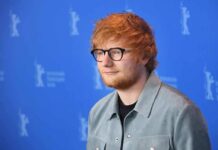

A Los Angeles judge ruled the evidence is strong enough to try singer D4vd for murder, even as he lost his private lawyers and prosecutors weigh seeking the death penalty.
Story Snapshot
- A judge ordered D4vd to stand trial after a five-day hearing.
- D4vd pleaded not guilty to murder and related charges.
- Reports describe DNA and plastic fragment links and remains found in his car.
- Private lawyers withdrew; a public defender now represents him.
Judge’s Ruling Sends Case to Trial
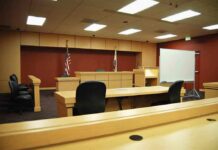
On July 28, 2026, Judge Charlaine Olmedo found probable cause to hold D4vd, legal name David Burke, for trial in Los Angeles. The ruling followed a five-day preliminary hearing featuring multiple witnesses and exhibits. The charges include murder, continuous sexual abuse of a child under 14, and unlawful mutilation of human remains. Courts often allow hearsay and circumstantial evidence at this stage, which aims only to test probable cause, not to decide guilt.
At arraignments and later hearings, Burke pleaded not guilty to all counts. His prior defense team said the actual evidence would show he did not kill Celeste Rivas Hernandez and was not the cause of her death. They pledged to “vigorously defend” his innocence. Those statements frame the defense stance but do not change the current posture: the case now moves forward to trial.
Key Evidence Outlined in Open Court
Public reporting from the hearing says investigators found blood in Burke’s garage that matched Celeste’s DNA. Reporters also said blue plastic fragments in the remains matched a missing section of an inflatable pool tied to a purchase linked to Burke. Police reportedly found two bags holding the victim’s remains in an impounded Tesla owned by Burke. These points, if accurate, give prosecutors a chain that ties location, vehicle, and body.
Coverage also described graphic photos of the dismembered remains shown in court as prosecutors detailed their theory. Prosecutors alleged Burke killed Celeste to keep their alleged relationship secret and protect his music career. Defense attorneys challenged parts of the medical examiner’s findings and stressed gaps in proof of premeditation, which is often harder to prove than basic homicide.
Defense Shift and Death Penalty Question
Burke’s high-profile private lawyers withdrew. The Los Angeles County Public Defender’s Office now represents him. That change sparked questions about his finances and the power gap between famous defendants and the state. A change in counsel does not prove guilt or innocence. It does change tactics, timing, and resources as the case heads to trial.
Singer D4vd has lost his legal team as prosecutors weigh whether to pursue the death penalty in the murder case involving 14 year old Celeste Rivas Hernandez.
Burke pleaded not guilty to charges including first-degree murder, alleged sexual offenses involving a minor and… pic.twitter.com/DuQcISs2ed
— One America News (@OANN) September 1, 2026
Reports say prosecutors are weighing the death penalty but have not announced a final decision. Capital eligibility depends on specific legal factors and policy choices. Mixed headlines can mislead the public here. Until the district attorney files a clear notice or says otherwise on the record, the death penalty remains under consideration, not confirmed.
Why This Case Grips a Distrustful Public
High-profile cases like this often rely on inferences stacked on forensics, timelines, and digital traces. At the preliminary stage, the bar is low: judges only decide if there is enough to proceed, not whether the state can prove guilt beyond a reasonable doubt. That legal design can make the public feel shut out, as graphic claims race ahead of full lab reports and transcripts.
People on the left and right see a familiar pattern. They fear that fame, politics, and media heat tilt justice. Some worry the state will overreach to make headlines. Others fear wealth or connections will rig outcomes. This case features a child victim, celebrity ties, and disturbing details. Those factors can harden views early and make a fair jury process harder to protect.
What to Watch Next
Watch for the release of the full preliminary hearing transcript, lab reports on DNA and trace plastic, and search-warrant returns for the Tesla and property. These records will test the strength of the custody chain and timeline. Also watch for an on-record decision from the district attorney about the death penalty. Those concrete steps, not social media chatter, will show where the case truly stands.
For now, the facts on record are clear. A judge says the case can go to trial. The defense says Burke is not the killer. The evidence the public has seen is strong but still partial. The next phase will decide if the state can turn probable cause into proof beyond a reasonable doubt, in open court, before a jury.
Sources:
youtube.com, bbc.com, latimes.com, newsnationnow.com, foxla.com, en.wikipedia.org