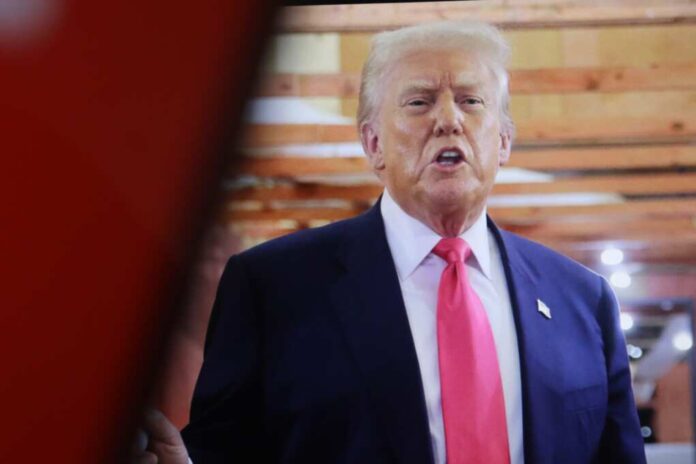
President Donald Trump is set to pardon former Puerto Rico Governor Wanda Vázquez Garced and her co-defendants, a move that is being framed by the White House as correcting a politically motivated prosecution. However, this decision has ignited a fierce debate over “pay-to-play” implications and political favoritism, specifically due to substantial campaign donations made by the family of one of the co-defendants to a pro-Trump super PAC during plea negotiations. The planned clemency raises critical questions about the integrity of campaign finance regulations and public trust in federal prosecutions.
Story Highlights
- Trump plans to pardon former Puerto Rico Governor Wanda Vázquez Garced and her co-defendants.
- The move is seen as correcting a politically motivated prosecution under the previous administration.
- Concerns arise about donations made by co-defendant’s family to MAGA Inc.
- The decision casts doubt on campaign finance integrity and federal prosecution trust.
- Trump’s actions emphasize a shift in handling former DOJ cases.
Pardon Plans for Puerto Rico’s Former Governor
President Donald Trump is set to pardon former Puerto Rico Governor Wanda Vázquez Garced, marking a significant move by the current administration. Vázquez, who pleaded guilty to lesser campaign finance charges last year, was initially charged with bribery, conspiracy, and wire fraud in a 2022 indictment related to her 2020 gubernatorial campaign. This pardon, confirmed by White House officials, is viewed as correcting a politically motivated prosecution initiated shortly after Vázquez endorsed Trump in 2020.
Alongside Vázquez, her co-defendants Julio Martin Herrera Velutini and Mark Rossini are also set to receive pardons. Herrera Velutini, a Venezuelan-Italian banker, was implicated for funneling illegal campaign donations through straw donors. This case raises concerns over potential pay-to-play dynamics, especially considering Herrera Velutini’s family donated a substantial amount to MAGA Inc. during the plea negotiations. Despite these concerns, the White House maintains that the prosecution was politically motivated.
Trump pardons former Puerto Rico Governor Wanda Vázquez, who pleaded guilty to campaign finance violations involving foreign funding and abuse of gubernatorial authority for a Venezuelan banker. pic.twitter.com/WNzKZGAANS
— Stop The Donald (@Stop_The_Donald) January 17, 2026
Implications of the Pardon
The planned pardons could have both short-term and long-term implications for the justice system and political landscape. In the short term, the defendants will avoid penalties, while the move signals a reversal of cases initiated under the previous Department of Justice. Long-term, this pardon could erode public trust in federal prosecutions, setting a precedent for loyalty-based clemency. Critics argue that this undermines the integrity of political and campaign finance regulations, especially in U.S. territories like Puerto Rico.
Economically, Herrera Velutini’s return to the banking sector post-pardon may impact the financial industry. Politically, this move might strengthen Trump’s support among Puerto Rican and Hispanic voters due to the endorsement reciprocity. However, it also fuels skepticism about misconduct and the influence of donor money in politics, raising alarms about the weakening of public graft enforcement.
Reactions and Perspectives
Reactions to the pardon plans are divided. Supporters argue that it corrects a political persecution, while critics point to the donation timing as evidence of quid pro quo, despite denials from the White House. The pardon follows a pattern of Trump clearing charges for individuals targeted by the now-dismantled Public Integrity Section, which was responsible for prosecuting political malfeasance. This dismantling may deter future whistleblowers and encourage donor influence in politics, altering the landscape for campaign finance integrity.
As the nation awaits the formal announcement of the pardons, the conversation around justice and political favoritism continues to evolve, reflecting broader concerns about the balance between political influence and legal accountability.
Watch the report: President Trump to pardon former Puerto Rico governor
Sources:
- Trump will pardon Puerto Rico’s former governor – POLITICO
- Trump pardons Puerto Rico’s former governor Wanda Vázquez – CBS News