The Trump administration has enacted a “zero-tolerance policy” against aid mismanagement, suspending all assistance benefiting Somalia’s federal government. This decisive action follows unverified reports that Somali officials destroyed a UN World Food Programme warehouse and illegally seized 76 metric tons of U.S.-funded food intended for starving civilians. While Somalia has categorically denied the allegations, insisting the aid remains secure and undamaged, the diplomatic standoff has intensified a severe humanitarian crisis, leaving nearly 4.4 million Somalis facing crisis-level hunger amidst a credibility contest between Washington and Mogadishu.
Story Highlights
- U.S. halts all assistance benefiting Somalia’s government over alleged warehouse destruction and food theft.
- Trump administration enforces “zero-tolerance policy” on aid diversion and waste.
- Somalia denies allegations, claims food remains under UN control.
- 4.4 million Somalis face crisis-level hunger amid diplomatic standoff.
Trump Administration Takes Hard Line on Aid Accountability
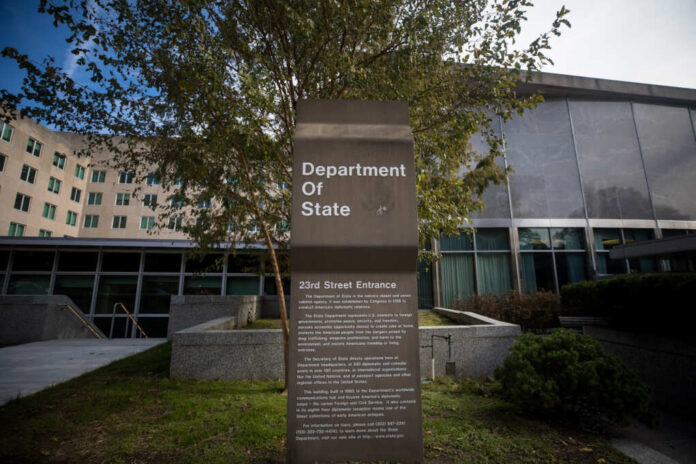
The State Department announced it has paused all ongoing assistance programs benefiting Somalia’s federal government following reports that Somali officials destroyed a World Food Programme warehouse in Mogadishu port and illegally seized 76 metric tons of U.S.-funded food aid. The Trump administration framed this decisive action as part of its “zero-tolerance policy for waste, theft, and diversion of life-saving assistance.” This bold move demonstrates President Trump’s commitment to ensuring American taxpayer dollars reach their intended recipients rather than corrupt foreign officials.
The suspension affects an undisclosed amount of the approximately $770 million in annual U.S. assistance to Somalia, though only a small portion typically flows directly to the federal government. The State Department has made clear that aid will only resume if Somalia takes full accountability for these actions and implements appropriate corrective measures. This accountability-first approach represents a refreshing departure from the previous administration’s often lenient stance on foreign aid mismanagement.
#BREAKING: Somalia MP Abdillahi Hashi Abib has accused the federal government and senior WFP officials of fraud and mismanagement of humanitarian aid. The U.S. has raised concerns after Somalia authorities destroyed a U.S.-funded WFP warehouse and seized 76 tons of donor food,… pic.twitter.com/LsIrWhRvDg
— Maryan (@mari_ah) January 7, 2026
Somalia’s Denial Creates Diplomatic Crisis
Somalia’s Foreign Ministry has categorically denied the U.S. allegations, insisting that no warehouse was destroyed and that all food aid remains under WFP custody. The ministry claims the warehouse was unaffected by port expansion works and has announced the creation of an inter-agency committee to address American concerns. However, the alleged incident has not been independently verified, creating a credibility contest between Washington and Mogadishu over what actually transpired at the critical food distribution facility.
The World Food Programme confirmed the warehouse’s pivotal role in emergency operations serving nearly 4.4 million Somalis facing crisis or worse levels of food insecurity. WFP officials stated they are “engaging with authorities to ensure safe storage of food commodities” while maintaining their commitment to continued assistance delivery. This diplomatic standoff highlights the challenges of maintaining humanitarian operations in fragile states where corruption and governance failures threaten aid effectiveness.
Broader Context of Trump’s Foreign Policy Reset
This aid suspension represents part of President Trump’s comprehensive policy overhaul toward Somalia and broader foreign assistance programs. The administration has already begun rolling back humanitarian assistance globally while implementing more stringent conditionality requirements for recipient governments. Trump’s renewed presidency has also intensified immigration enforcement targeting Somali communities in Minnesota, home to approximately 80,000 Somali Americans, demonstrating a coordinated approach to addressing longstanding concerns about accountability and security.
The timing of this suspension occurs amid Somalia’s severe humanitarian crisis, where nearly a quarter of the population faces dangerous food insecurity levels. While the aid halt specifically targets government-benefiting programs rather than direct humanitarian operations, any prolonged diplomatic tension could complicate permissions, logistics, and coordination essential for food distribution networks. This situation exemplifies the Trump administration’s willingness to prioritize accountability over diplomatic convenience, even when dealing with fragile states facing humanitarian emergencies.
Watch the report: US suspends assistance to Somalia – YouTube
Sources:
- US Suspends Aid to Somalia After Alleged Seizure of Food Assistance
- United States Halts Assistance to Somalia Following Allegations of Aid Diversion
- Somalia Denies US Claims of Food Aid Seizure
- US Halts Aid to Somalia Over Alleged Seizure of Food Relief
- US Halts Aid to Somalia’s Federal Government Over Alleged Seizure of Food Assistance