Ukraine’s president wrote directly to Russia’s leader for the first time since the 2022 invasion — offering a full ceasefire and a face-to-face meeting — and Putin said there was “no point.”
Story Snapshot
- Ukrainian President Volodymyr Zelenskyy sent an open letter to Vladimir Putin on June 4, 2026, proposing direct talks and a full ceasefire during negotiations.
- Putin rejected the offer, saying he saw “no point” in meeting Zelenskyy, while the Kremlin said Putin had not yet even read the letter.
- President Trump endorsed the idea, saying the two leaders “should get it done,” and Senator Lindsey Graham traveled to Kyiv to push for a peace deal before Christmas.
- Russia continues to push maximalist demands, including Ukraine surrendering territory it still controls, making a quick agreement look very unlikely.
Zelenskyy Makes a Direct Offer to Putin
Ukrainian President Volodymyr Zelenskyy took an unusual step on June 4, 2026. He published an open letter addressed directly to Russian President Vladimir Putin, calling for face-to-face peace talks. The letter was the first time Zelenskyy had written publicly to Putin since Russia launched its full-scale invasion in February 2022. In the letter, Zelenskyy offered a “full ceasefire for the duration of the negotiations” — a concrete proposal meant to show he was serious about stopping the fighting.
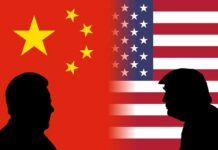
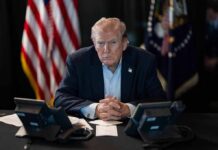
Zelenskyy proposed meeting in a neutral country and warned that peace should not wait while the United States focused on other crises, like Iran. Senator Lindsey Graham traveled to Kyiv to back the push, calling for a trilateral meeting involving Trump, Putin, and Zelenskyy. Trump publicly supported the idea, saying the two leaders “should get it done” and claiming he had played a role in moving the dialogue forward. The war is now in its fifth year, and both sides continue to suffer enormous casualties each month.
Putin Says No — and Sets Tough Terms
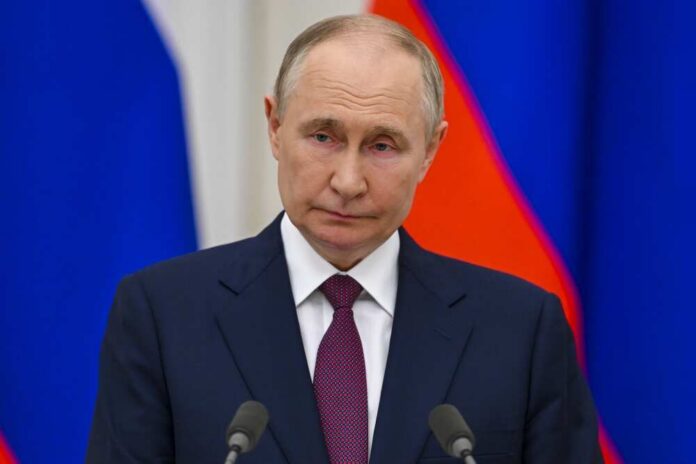
Putin’s answer was swift and blunt. He said he saw “no point” in meeting Zelenskyy. The Kremlin added that Putin had not even read the open letter yet, while offering only a vague comment that Zelenskyy was “welcome in Moscow anytime.” That non-answer made clear Russia was not ready to engage with the specific ceasefire proposal Zelenskyy put on the table. Zelenskyy responded by accusing Russia of “choosing war again.”
Russia’s stated demands remain extreme. Putin wants Ukraine to hand over even more land — including territory Ukraine still controls — and wants formal recognition of all Russian-occupied regions. These demands go far beyond what Ukraine or its Western allies have said they would accept. Experts note that in long wars like this one, leaders often dig in and rely on military pressure rather than talks, making face-to-face summits hard to pull off without a deal already in place.
What This Means — and Why It’s Hard to Solve
The gap between the two sides is wide. Zelenskyy made a real, specific offer — a ceasefire and direct talks. Putin dismissed it without engaging the details. Trump’s support adds diplomatic weight, but Washington is also focused on Iran, which limits how much energy the administration can put into Ukraine right now. Graham’s push for a deal “before Christmas” reflects genuine urgency, but urgency alone does not close a negotiating gap this large.
❗️🇷🇺🇺🇸🇺🇦Ukraine’s deep-strike campaign inside Russia has completely shifted the geopolitical calculus, shattering Donald Trump's illusions about Vladimir Putin's strength and forcing the US into serious, high-level military negotiations.
Serhiy Kyslytsya, Deputy Head of the… pic.twitter.com/pbWTs5vco0— NSTRIKE (@NSTRIKE1231) July 9, 2026
For everyday Americans, this matters beyond the headlines. The war has cost billions in U.S. aid and continues to drive up energy prices and global instability. People on both the left and right are tired of open-ended foreign commitments with no clear end in sight. Zelenskyy’s letter was a bold move, and Putin’s flat rejection puts the blame for continued fighting squarely on Moscow — at least for now. Whether Trump can convert that diplomatic moment into real pressure on Russia remains the key question heading into the summer.
Sources:
euronews.com, krdo.com, en.wikipedia.org, irishtimes.com