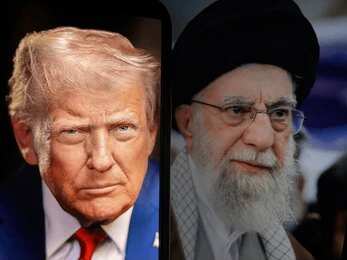
A senior Iranian military commander has declared that renewed war with the United States is “likely” as diplomatic efforts collapse and Tehran’s hardline regime positions itself for prolonged confrontation, underscoring the administration’s struggle to secure peace in the Middle East.
Story Snapshot
- Iranian commander Mohammad Jafar Asadi warns war resumption is “likely” due to failed U.S. negotiations and broken commitments
- President Trump rejects latest Iranian proposal delivered through Pakistani mediators, calling talks “disjointed”
- Iran’s Revolutionary Guard threatens “prolonged, painful blows” against U.S. forces and warships in the region
- Fragile ceasefire holds amid escalating proxy attacks and Tehran’s strategy to weaponize economic pressure through oil disruptions
Iranian Commander Issues Stark Warning
Mohammad Jafar Asadi, a senior Iranian military commander, announced through the state-run Fars News Agency that armed conflict between Tehran and Washington will “likely” resume. Asadi attributed the anticipated escalation to what he characterized as American bad faith in negotiations, broken commitments, and messaging designed primarily to stabilize global oil markets rather than achieve genuine peace. The commander emphasized that Iran’s armed forces stand “fully prepared” for renewed confrontation, signaling Tehran’s readiness to abandon the current ceasefire. This stark warning represents the most direct threat of war resumption from Iranian military leadership since the fragile truce took effect.
Trump’s Diplomatic Efforts Stall
President Trump publicly expressed frustration with the negotiation process, rejecting Iran’s most recent proposal delivered through Pakistani intermediaries. Trump characterized the discussions as “disjointed” and suggested Iranian leadership appears “confused” about who holds decision-making authority. The administration’s struggle to secure a comprehensive deal reflects deeper challenges in bridging decades of mistrust between Washington and Tehran. Previous U.S. military strikes conducted during active negotiations have further eroded Iranian confidence in American intentions. For Americans exhausted by endless foreign entanglements, the failure to achieve peace despite Trump’s deal-making promises raises questions about whether the political establishment truly prioritizes resolving conflicts or merely managing them.
Revolutionary Guard Escalates Threats
Iran’s Islamic Revolutionary Guard Corps has intensified its warnings, threatening “prolonged, painful blows” against any future American military action. The IRGC confirmed deploying approximately sixty percent of its firepower throughout the region, with specific threats directed at U.S. warships operating in Gulf waters. Kamal Kharazi, a senior foreign policy adviser to Supreme Leader Mojtaba Khamenei, told CNN there is “no room for diplomacy” and that Iran’s strategy centers on inflicting economic pain on American allies until third-party intervention forces Washington’s retreat. This hardline position represents a significant departure from traditional diplomatic overtures, suggesting Tehran’s leadership has concluded that military pressure and economic warfare offer more effective leverage than negotiation.
Economic Warfare and Proxy Attacks Intensify
Iran’s strategy increasingly focuses on leveraging energy disruptions and proxy forces to pressure the United States economically. Tehran has conducted attacks on Gulf state infrastructure and American interests, calculating that resulting oil price spikes and inflation will force Washington to reconsider its position. Recent Hezbollah drone strikes in Lebanon, including one that killed an Israeli soldier, demonstrate how Iranian-backed militaries continue operations despite the ceasefire. The IRGC’s public threats to target American warships directly signal willingness to risk major escalation. For ordinary Americans already struggling with inflation caused by previous government mismanagement, the prospect of renewed Middle East conflict driving energy costs higher represents yet another failure of leadership to protect citizens’ economic interests from the consequences of failed foreign policy.
Senior Iran Official Warns War with U.S. 'Likely' To Restart Soon As Trump Struggles To Make a Deal https://t.co/0to4EapLMj
— Mediaite (@Mediaite) May 2, 2026
The current situation reflects broader frustrations with an establishment that appears more invested in perpetuating conflict than achieving resolution. With new Iranian leadership under Mojtaba Khamenei signaling hardline continuity, and American diplomatic efforts yielding no tangible progress, the ceasefire increasingly resembles a temporary pause rather than sustainable peace. Both nations remain positioned for renewed hostilities, with Iranian forces prepared for extended conflict and American options narrowing as Tehran’s strategy of economic pressure through regional proxies gains momentum. The failure to secure a meaningful agreement despite Trump’s promises of superior deal-making ability highlights how entrenched interests and decades of mistrust continue undermining efforts to extricate America from costly Middle Eastern entanglements.
Sources:
Iran warns US of ‘prolonged, painful blows’ amid reports of potential strike plans
Iran says US warships could be hit hard in chilling warning as Trump weighs military action