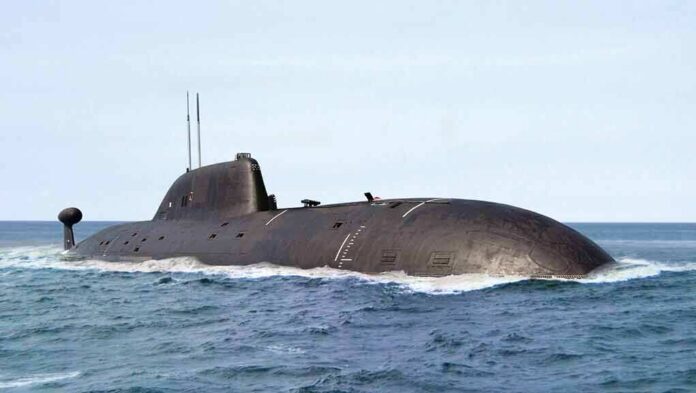
Britain says it will start building its next-generation nuclear attack submarines in 2027, even as the same yard races to finish older boats and nuclear deterrent subs.
Story Snapshot
- The government plans to cut steel on the first SSN-AUKUS in 2027 at Barrow
- SSN-AUKUS will replace the Royal Navy’s Astute-class attack submarines
- Officials target first entry into service in the late 2030s
- The Barrow yard must also finish Astute boats and build four Dreadnought subs
UK Sets 2027 Start for SSN-AUKUS Production
The United Kingdom’s Defence Nuclear Enterprise update confirms that production of the first SSN-AUKUS submarine will begin in 2027, when BAE Systems in Barrow-in-Furness cuts the first steel. The new class will be nuclear-powered, conventionally armed, and is planned to replace the Astute-class boats in Royal Navy service. Officials describe the effort as part of the AUKUS partnership with the United States and Australia, and say the first British submarine is aimed for the late 2030s.
Government and industry statements add that the total number of British SSN-AUKUS boats will be decided before the current design phase ends in 2028. That decision will shape the build rhythm and workforce plans at Barrow for decades. Several trade and defense outlets report the same timeline: steel in 2027 and first entry into service in the late 2030s, aligning with the government’s stated goals and industry planning assumptions.
Barrow Yard Faces Heavy Workload and Tight Sequencing
BAE Systems’ Barrow yard remains the United Kingdom’s only site for building nuclear submarines. The yard is still completing the final Astute-class attack submarines and is constructing four Dreadnought-class ballistic missile submarines that will replace the Vanguard-class deterrent. These overlapping tasks compress schedules and resources, which outside observers and past reviews have flagged as an enduring risk in the nuclear enterprise’s delivery plans.
Ministry briefings and independent reporting note that past submarine programs at Barrow have faced delays tied to design changes, supply chain issues, and skills gaps. Parliament research has documented schedule pressure on the Dreadnought program, even as the government says it is managing risk and maintaining milestones. This context explains why officials use careful language on timelines and why investment in people, facilities, and suppliers is central to meeting the 2027 and late-2030s targets.
Why SSN-AUKUS Matters to Allies and Adversaries Alike
SSN-AUKUS is designed to improve the Royal Navy’s reach, stealth, and strike power at sea. The program also supports AUKUS partners by sharing design work, strengthening industrial bases, and aligning training and sustainment. A joint statement by AUKUS defense leaders cites progress in design and funding, including multi-billion-pound investments, which they say will speed delivery and improve capability across the alliance’s future submarine fleets.
“On current plans, steel will be cut on the first UK SSN-AUKUS submarine in 2027…achieving a drumbeat of one submarine
every 18 months” https://t.co/xeNJBB9VT8— Dr Elizabeth Buchanan (@BuchananLiz) September 17, 2026
For American readers, this matters because allied undersea strength shapes United States strategy in Europe and the Indo-Pacific. A reliable British production line reduces strain on the United States Navy, which faces its own shipyard limits, and gives Australia a path to an advanced fleet. For critics on both left and right who worry about cost, waste, or elite-driven deals, the key test is simple: can leaders turn this plan into working submarines on time and on budget.
Sources:
19fortyfive.com, gov.uk, autonocion.com, nuclearinfo.org, theguardian.com