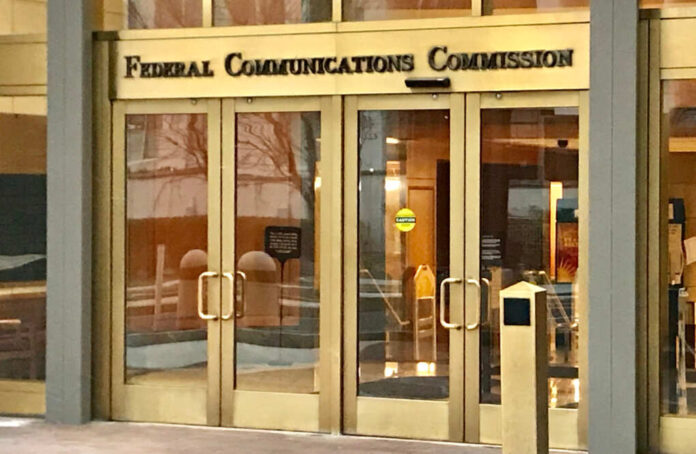
The Federal Communications Commission (FCC) has issued new guidance that dramatically narrows the exemptions to its “Equal Opportunities” requirement under Section 315(a) of the Communications Act. This move eliminates the long-standing “safe harbor” that allowed non-news programs, such as morning and late-night talk shows, to host political candidates without triggering comparable airtime demands for all rival candidates. Critics argue this regulatory shift will force broadcasters to stop booking candidates entirely, chilling political speech and reducing voter exposure ahead of the 2026 midterm elections.
Story Highlights
- FCC Chairman Brendan Carr eliminated safe harbors for candidate appearances on non-news TV programs like morning and late-night talk shows.
- Broadcasters must now provide equal airtime to rival candidates upon request or face potential license threats.
- The January 22, 2026 guidance targets shows like “The View” and “Jimmy Kimmel Live” ahead of the 2026 midterm elections.
- Networks may limit candidate bookings entirely to avoid compliance burdens, reducing voter exposure to candidates.
FCC Eliminates Talk Show Protections Under Century-Old Law
FCC Chairman Brendan Carr’s Media Bureau issued guidance on January 22, 2026, narrowing exemptions from the Equal Opportunities requirement under Section 315(a) of the Communications Act. The directive removes previously recognized safe harbors for broadcast television stations that host political candidates on entertainment and talk programs. Stations must now provide comparable airtime to rival candidates upon request within seven days, though statutory exemptions for newscasts, documentaries, and bona fide news events remain intact. This regulatory shift applies exclusively to broadcast television, not radio or cable networks.
FCC WARNS: Talk shows can't masquerade as "news" to circumvent the rules in the lead-up to elections. https://t.co/3Dnc1Cphli
— Tim Graham (@TimJGraham) January 21, 2026
Regulatory Overreach Rooted in 1927 Radio Act
The Equal Opportunities requirement originated in the Radio Act of 1927 and carried into the Communications Act of 1934, mandating broadcasters provide comparable airtime to all competing candidates for the same office. Initially, no exemptions existed, creating absurd situations where presidential news conferences triggered equal time obligations. Congress amended Section 315 in 1959 after an FCC ruling sparked national outrage by stifling campaign coverage, creating exemptions for newscasts and news events. The FCC further refined the rule in 1991 to limit “use” to candidate-authorized appearances, excluding scenarios like old Ronald Reagan films triggering equal time demands.
Talk Shows Face Impossible Compliance Burden
Major broadcast networks hosting morning shows and late-night programs now face a regulatory minefield. If ABC’s “The View” interviews a congressional candidate, every rival candidate for that seat can demand comparable free airtime, creating a cascade effect that threatens programming schedules and editorial independence. Networks already face financial pressure from lowest unit charge requirements that force discounted ad rates during election periods. The guidance provides no new approval process but signals stricter enforcement through license revocation threats, effectively forcing stations to choose between hosting candidates and avoiding regulatory headaches entirely.
History Shows Regulations Silence Political Speech
The 1959 FCC newscast ruling created a “national furor” because it chilled election coverage rather than promoting it. Broadcasters simply stopped covering candidates to avoid equal time obligations, precisely the opposite of the rule’s intended fairness goal. This pattern mirrors the failed Fairness Doctrine, which required balanced issue coverage from 1949 until its repeal in 1987. Legal specialists predict stations will respond to Carr’s guidance by limiting candidate bookings on talk shows, reducing voter exposure to candidates in accessible formats. This regulatory approach punishes broadcasters for exercising editorial judgment about newsworthy guests while claiming to promote fairness.
Conservative Candidates May Lose Platform Access
While the rule theoretically applies equally to all candidates, the practical effect undermines conservative voices who already face media hostility. Left-leaning networks dominate broadcast television and have historically favored liberal candidates in entertainment programming. Rather than balance coverage, this regulation gives networks an excuse to exclude all candidates from popular talk shows, eliminating platforms where conservatives could reach mainstream audiences. The guidance also creates opportunities for frivolous candidates to demand airtime, diluting serious political discourse. Courts have upheld content-neutral broadcast regulations as reasonable uses of public airwaves authority, but this approach raises First Amendment concerns about government dictating programming decisions.
Watch the report: Menendez Grills FCC Chairman On Agency Removing Language About Its Independence From Its Website
Sources:
- FCC Targets Colbert and Kimmel in New Crackdown on Late-Night TV – The New York Times
- FCC takes aim at political interviews on late-night and daytime shows