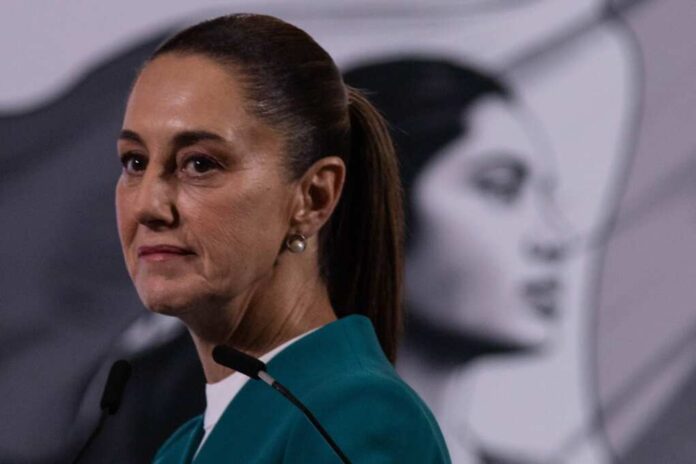
Mexican President Claudia Sheinbaum has so far defused escalating tension with the United States by deploying troops, extraditing cartel figures, and engaging in regular calls with President Trump, averting punitive tariffs.
At a Glance
- Sheinbaum has extradited cartel leaders and deployed troops to the U.S. border.
- She maintains regular phone contact with President Trump despite no in‑person meeting.
- Mexico’s trade with the U.S., its largest partner, continues with minimal disruption for now.
- Sheinbaum’s calm diplomacy has helped Mexico avoid harsh tariffs aimed at Canada and the EU.
- Strategic trust and communication are credited on both sides for mitigating conflict.
Steady Strategy Amid Tariff Threat
Despite Trump’s mercurial trade posture, including threats of steep tariffs on major partners, President Sheinbaum has taken a firm yet composed approach—using practical steps like troop deployments and extraditions to reinforce U.S. red lines on cartels and drug trafficking.
Their diplomatic engagement remains active via frequent calls, compensating for the absence of a face‑to‑face meeting after a planned G7 encounter was canceled. Trust and responsiveness appear to underpin their working dynamic.
Watch now: Sheinbaum responds after Trump announces 30% tariffs against Mexico · Associated Press
These tactics have effectively shielded Mexico from the harsh rhetoric and punitive tariffs that have battered other partners like Canada and the European Union.
Trade Stability Through Dialogue
As the United States’ largest trading partner, Mexico has echoed its commitment to the existing USMCA framework. Unlike Canada, which has been targeted to a greater extent, Mexico has been spared escalated tariffs—thanks largely to sustained dialogue and compliance with escalating security expectations.
This diplomatic steadiness stands in contrast to unpredictable trade shocks seen elsewhere and has been praised by policymakers on both sides as a model of responsive leadership under pressure.
Sources
El País