
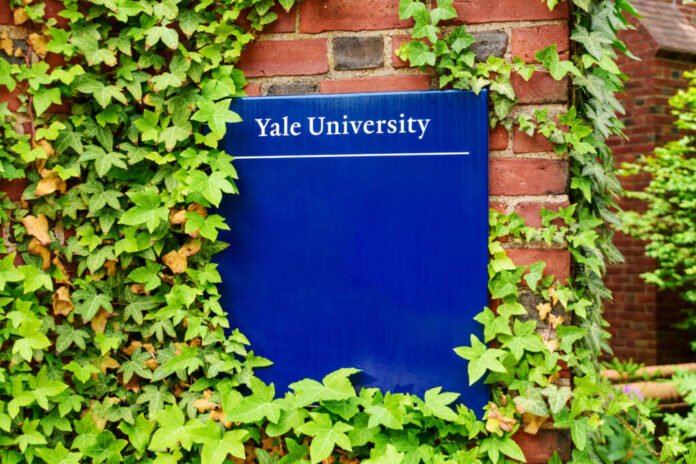
A recent analysis has spotlighted a stark ideological imbalance within elite academia, revealing that an overwhelming 97.6% of political donations from Yale professors in 2025 were directed toward Democratic initiatives, with a striking 0% going to Republican causes. This revelation amplifies conservative critiques about a pervasive ideological skew in universities, raising questions about academic diversity and prompting intensified scrutiny from the Trump administration regarding potential funding adjustments.
Story Highlights
- 97.6% of Yale professor donations went to Democrats in 2025.
- 0% of donations went to Republicans, raising concerns about ideological bias.
- Trump administration scrutinizes faculty imbalance, proposing funding cuts.
- Buckley Institute report confirms lack of Republican representation in Yale faculty.
Yale Professors’ Political Donations Skew Heavily Left
In a recent analysis by the Yale Daily News, it was discovered that none of the 1,099 donations made by Yale professors in 2025 went to Republican causes. Instead, an overwhelming 97.6% were directed toward Democratic initiatives, with a small remainder supporting independents or other groups. This revelation has amplified conservative critiques of a pervasive ideological skew in elite universities, underscoring concerns about academic diversity and prompting intensified scrutiny from the Trump administration.
The historical context of this trend shows a persistent left-leaning inclination among Yale faculty, part of a longer pattern dating back several generations. The Buckley Institute’s December 2025 report highlighted the absence of Republicans in 27 out of 43 undergraduate departments, further demonstrating Yale’s strong Democratic dominance. This ongoing lack of ideological diversity has fueled debates over potential funding adjustments and endowment taxes proposed by the Trump administration.
Not one professor at Yale University donated to a Republican politician in 2025, but nearly 98 percent of the political donations from professors went to Democrats, with the rest to independents.
The news comes on the heels of a Buckley Institute report that found that out of… pic.twitter.com/mHPBZegkHS
— The College Fix (@CollegeFix) January 15, 2026
Broader Implications and Responses
Yale’s administration defends its hiring practices, asserting that they prioritize academic excellence and are politically neutral. However, the data raises broader questions about the impact of such an ideological monoculture on academic inquiry and freedom. The Trump administration’s proposed measures, including potential cuts to university funding, reflect a growing call for increased diversity mandates in academia. This could have significant economic impacts, potentially costing Yale up to $300 million annually.
Conservatives argue that this lack of diversity stifles intellectual exploration and limits students’ exposure to a range of viewpoints. Professors like Carlos Eire and Michael Farina have voiced concerns about the implications of this imbalance for academic freedom and policy influence.
Conservative Critiques and Future Directions
The debate over ideological balance in academia is likely to intensify as the 2026 political cycle unfolds. With key influencers like Elon Musk amplifying critiques, the conversation is expected to extend beyond Yale, affecting other Ivy League institutions and potentially influencing federal research grant policies. Calls for reforms in hiring practices and funding allocation will continue to resonate among conservative media and policymakers.
Yale’s case serves as a microcosm of broader national discussions on campus politics and intellectual diversity. As the Trump administration and conservative voices push for change, the impact on higher education funding and policy could be profound, shaping the academic landscape for years to come.
Watch the report: 0 of Yale professor donations went to Republicans in 2025: study
Sources:
- 0% of Yale professor donations went to Republicans in 2025: Fox News
- As universities face political scrutiny, Yale professors’ donations skew heavily Democratic
- Yale professors go full blue: 97.6% donate to Dems, 0% to GOP