Trump’s latest rebuke of Israel exposed a hard truth: even in wartime, he is putting America-first diplomacy before endless escalation.
Quick Take
- Trump said the Beirut strike “should not have happened” and warned it could harm talks with Iran.
- Reports said he urged Israel and Hezbollah to stop firing as a deal was nearing.
- Israel said the strike was a response to Hezbollah attacks, not random aggression.
- The public record shows a real dispute over timing, targets, and what the ceasefire covered.
Trump Says the Strike Risked a Bigger Blowup
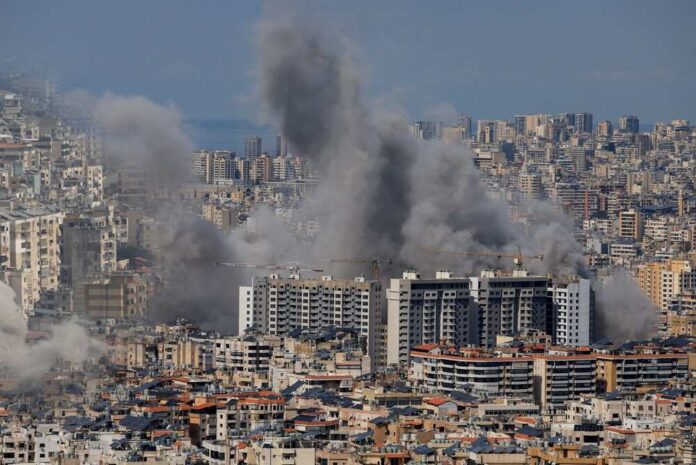
President Donald Trump blasted Israel after the Beirut strike, saying it “should not have happened” when the United States and Iran were close to a deal. Reuters, PBS, CNN, and other outlets reported that Trump warned against more attacks and urged all sides to stand down.[1][3] His comments put a spotlight on a simple question: why keep throwing matches near a fragile negotiation?
Those reports also said Trump viewed the strike as more than a battlefield event. He linked it to broader talks and warned that new violence could damage an emerging memorandum with Iran.[3] For readers tired of overseas chaos draining American attention and credibility, that message will sound familiar. Trump was not praising unchecked force. He was warning that reckless moves can wreck diplomacy before it has a chance to work.
What the Reports Say About the Ceasefire
Reuters reported that Lebanon announced a ceasefire arrangement in which Israel would stop strikes in southern Beirut while Hezbollah would stop firing into Israel.[1] The same reporting said Trump announced that both Israel and Hezbollah had agreed to stop hostilities after the latest round of strikes.[1] That matters because the fight was not happening in a vacuum. It was unfolding inside a tense, publicly described effort to freeze the conflict.
Other coverage said Trump pushed back hard on further attacks, including messages that all sides should “blow it” less and cool the violence.[2] PBS described the dispute as part of an “emerging ceasefire deal,” while CNN reported Trump still expected a memorandum with Iran to be signed soon.[3] The sources do not provide the full agreement text, so the exact legal limits on the Beirut strikes remain unclear.
Israel’s Defense and the Competing Security Case
Israel said the strike was retaliation for Hezbollah attacks on Israeli forces, which gives the operation a self-defense claim.[1][6] BBC reported that the strike targeted Hezbollah positions in Beirut’s southern suburbs, and other reports said Israeli officials tied it to rocket and drone fire.[6] That is the strongest argument on the other side. It shows the strike was not presented as a random hit, but as part of an armed exchange.
Even so, the public record still leaves room for Trump’s complaint. The available reports do not include an official operational packet, a signed ceasefire text, or a declassified U.S.-Iran memorandum showing exactly how much the Beirut strike mattered to the talks.[3] That is why the dispute keeps turning into a fight over framing. One side sees deterrence. The other sees needless disruption at the worst possible moment.
Why This Fight Resonates with Conservative Readers
This story fits a bigger pattern that frustrates many Americans: elites in Washington and overseas partners keep making decisions that drag the United States toward wider conflict. Trump’s reaction matched his long-running promise to protect American interests first, not to bless every foreign operation by default.[1][3] For voters who want strength without foolish entanglements, his message was clear. Do not sabotage a deal if peace is finally within reach.
The public mood also matters. Pew Research Center found in 2025 that 53 percent of U.S. adults had an unfavorable view of Israel, up from 42 percent in 2022. That does not settle the policy debate, but it does show that more Americans are willing to question Israeli military actions than before. In that climate, Trump’s warning landed as both a diplomatic move and a political signal.
Sources:
[1] Web – President Trump Unloads on Israel As the Iran Deal Sparks New Tensions
[2] Web – Netanyahu faces criticism after Trump halts Israeli strikes on Beirut
[3] YouTube – Trump says Beirut Attack ‘Should Not Have Happened’
[6] Web – US President Donald Trump says on Truth Social that Israel’s attack …