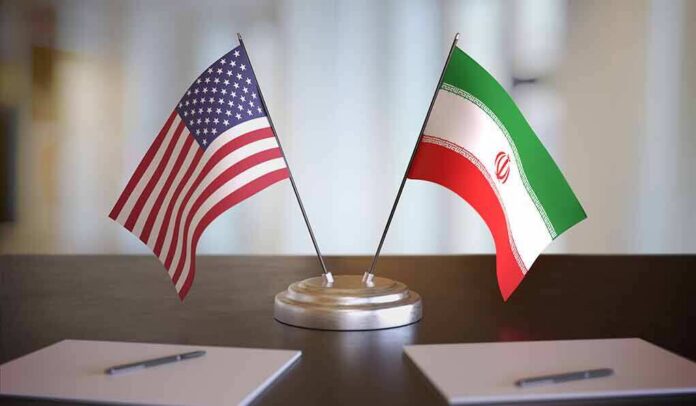
President Trump said there are no talks with Iran now or scheduled next, even as shipping and war risks grind on.
Story Snapshot
- Trump declared no U.S.-Iran talks are happening or planned, after earlier mixed signals.
- Iran has also said no talks with the United States are underway or scheduled.
- Iran and Oman advanced their own talks on the Strait of Hormuz, separate from the U.S..
- A U.S. official said an Iran–Oman strait deal could come soon, but conditions remain unsettled.
Trump’s Latest Position: No Talks With Iran
President Trump stated on August 18 that no conversations with Iran are taking place and none are scheduled. He also said the Strait of Hormuz is open, pushing back on Iranian claims that it was still shut. The message marks a clear line after weeks of mixed signals about diplomacy and pressure. The White House has used both threats and pauses to seek leverage during the war. The shift narrows options in the near term and raises questions for allies and shippers.
Earlier in August, Trump said talks were underway and warned it was Iran’s “last chance” to reach a deal. Tehran denied those claims the same day, saying no negotiations were being held or planned. Major outlets tracked the back-and-forth as each side tried to shape the story. The public split created uncertainty for markets, partners, and military planners. Clear statements now matter because misreads in this standoff can move oil and raise the risk of mistakes.
Tehran’s Public Line And Oman’s Parallel Track
Iran’s Foreign Ministry said this month that no talks with the United States were underway and none were scheduled. At the same time, Iranian officials said they were working with Oman on a safe shipping route through the Strait of Hormuz. That bilateral channel has moved forward on maps and technical steps. Iran’s foreign minister said the Oman agreement on a new route was close, but not enough by itself to reopen the waterway without other steps from Washington.
Reports said Iran and Oman reached “fundamental understandings” on routing and were near a deal. A United States official also signaled that a strait agreement could be ready soon. Iran later tied any reopening to conditions, including changes on sanctions and threats. These statements show how each side guards leverage while using separate tracks. The Oman channel fits a long pattern where indirect steps run even when public talk shuts down.
Why “No Talks” Still Matters For Americans
Oil moves through Hormuz affect fuel prices and shipping costs for everyday goods. Small shifts in risk can raise prices at the pump and squeeze family budgets. Clear policy can calm markets, but mixed messages do the opposite. When leaders say talks are off, traders price more risk. That hits workers, small firms, and retirees. Many voters see a familiar story: leaders protect posture while people pay the tab. That frustration now crosses party lines.
For conservatives, the concern is that pressure without a plan can drag out costs and keep energy high. For liberals, the worry is that threats without diplomacy can widen a war and deepen inequality. For both, the fear is that Washington’s playbook serves insiders first. History shows back channels can help manage danger, but secrecy also shields mistakes. Straight talk and steady goals are the basics most Americans expect from their government.
The Stakes Around The Strait Of Hormuz
The strait remains a global choke point for oil and gas. Disruption there can ripple across supply chains within days. Iran’s signals on routing progress with Oman suggest a path to reduce risk. But Tehran’s added conditions make quick relief uncertain. The White House claim that the strait is open clashes with Iran’s earlier stance. That gap is not a small detail. It shapes marine insurance, shipping timetables, and the safety of crews at sea.
Both sides often deny talks while testing indirect contact. That tactic preserves public toughness and bargaining power. Yet it confuses citizens who want to know if war is ending or widening. If leaders want trust, they should set measurable steps and report progress in plain terms. A narrow routing deal, verified at sea, could offer that. It would not fix the war, but it could lower risk for workers, drivers, and small businesses now.
Sources:
military.com, reuters.com, aljazeera.com