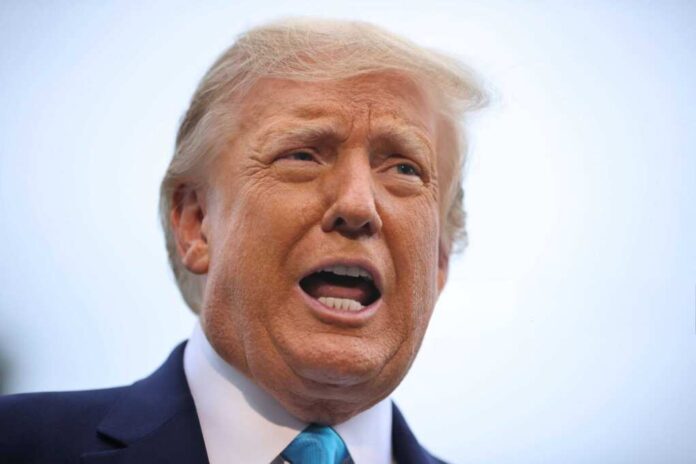
One direct call from President Trump to Vladimir Putin secured a rare, time-limited pause in Russia’s attacks on Ukraine’s power grid. This brief halt, confirmed by the Kremlin and lasting only until Sunday, February 1, is proof that high-level diplomacy can still yield concrete, if temporary, results even amidst a war. While welcomed by Ukraine, leaders stressed that this is not a formal ceasefire, and the broader conflict remains fully active, with Russia reportedly redirecting its strikes to other military-related objectives.
Story Highlights
- Russia’s Kremlin confirmed it agreed to a temporary halt on strikes tied to Ukraine’s energy system, but only through Sunday, February 1.
- Trump said he personally asked Vladimir Putin to stop firing into Kyiv during dangerous winter conditions; the Kremlin acknowledged the request.
- Ukraine’s leadership welcomed the momentary relief but stressed there is no formal ceasefire and no reason for trust yet.
- Reports indicate Russia shifted targeting toward other military-related objectives, leaving the broader conflict fully active.
Trump’s Direct Appeal Produces a Narrow, Temporary Pause
President Donald Trump publicly said he personally urged Russian President Vladimir Putin to stop strikes on Kyiv during extreme winter weather, and the Kremlin later confirmed a limited agreement. Russian spokesperson Dmitry Peskov indicated the pause would last only until Sunday, February 1. The practical result is not “peace” and not even a full ceasefire; it is a tightly scoped, time-bound restraint aimed at energy-related targets.
Russian attacks on Ukraine’s grid have been a defining pressure tactic since the broader invasion, hitting civilians hardest when temperatures drop. The latest push for a pause followed reports of severe cold paired with major outages across multiple cities. Ukraine’s side acknowledged discussions involving negotiating teams meeting in the United Arab Emirates, but those contacts do not amount to direct, settled Ukraine-Russia diplomacy with enforceable terms.
If the energy ceasefire is set to last until February 1, it is clearly tied to the meeting in Abu Dhabi and the weather – the coldest temperatures in Kyiv are expected right after February 1.
That means Zelensky must decide now: Donbas or a humanitarian disaster.
Given that he… pic.twitter.com/9kRFAQa200— Oleksandr Dubinskyi (@Dubinsky_pro) January 30, 2026
What the Winter Blackouts Reveal About Modern Warfare
Ukraine’s winter energy situation has repeatedly turned military strategy into a household emergency. Earlier strikes included a large-scale attack that disrupted electricity across much of Kyiv and left thousands of apartment buildings without heat. When grids fail in winter, the fallout is immediate: heating systems stop, water infrastructure strains, and families are forced into survival mode. That reality explains why even a short pause can matter operationally for repairs.
Reports around January 29–30 suggested no overnight strikes on some energy facilities, yet other attacks still occurred, including an incident involving a drone strike on an energy-related facility in Kryvyi Rih. That kind of mixed record is why this “pause” is best understood as fragile and conditional rather than a new stable baseline. The timeline also highlights a key uncertainty: Trump described a longer window, while the Kremlin described a deadline.
Zelenskyy Signals Caution, Not Confidence, Despite Public Thanks
Ukrainian President Volodymyr Zelenskyy expressed gratitude toward Trump while emphasizing a critical point: no formal ceasefire exists. Zelenskyy also indicated Ukraine could take “corresponding steps” if Russia genuinely refrains from energy attacks, implying a reciprocal approach rather than unilateral restraint. That posture reflects battlefield reality—Ukraine must plan for the possibility that strikes resume immediately after the agreed window closes, especially given prior failed proposals.
Ukraine previously raised energy-truce ideas in 2025 through talks in regional venues, but Russia rejected them at the time. The distinguishing feature now is the channel: a direct Trump-to-Putin request that Moscow acknowledged publicly. For many Americans who watched years of expensive, unfocused foreign-policy messaging under the prior administration, the episode underscores how basic, leader-level engagement can sometimes produce concrete outcomes—even if the outcome is limited and temporary.
Why Moscow Might Accept a Pause—and Why It May Not Last
Analysts cited in reporting point to economic pressure as a potential factor shaping Moscow’s calculations. Ukraine’s strikes on Russian oil infrastructure have been described as painful, and research cited revenue and pricing strains that complicate Russia’s war footing. In that context, a narrow energy pause could be less about humanitarian concern and more about managing costs, shaping narratives, or trading time. Nothing in the available reporting confirms any broader Russian shift toward ending the war.
Assessments summarized in public reporting also suggest Russia can redirect its campaign toward other targets—such as logistics—without giving up its core objectives. That is the heart of why Americans should read this carefully: a temporary halt on one category of strikes does not equal de-escalation, and it does not guarantee protection for civilians once the deadline arrives. Limited data is available beyond the stated window, so compliance after February 1 remains unverified.
Watch the report: Kremlin says Putin agreed to halt strikes on Kyiv until February 1
Sources:
- Kremlin says Putin agreed to halt strikes on Kyiv until Sunday – France 24
- Russia, Ukraine halt energy strikes, but differences emerge on moratorium | Reuters
- Kremlin says agreed to halt strikes on Kyiv until Sunday