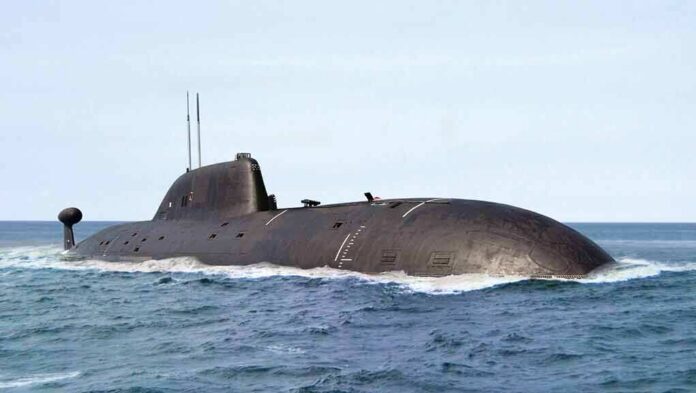
A ten-hour blaze that began with a bag of rags on a bunk destroyed a U.S. nuclear attack submarine and ended with a 17-year prison sentence.
Story Snapshot
- A civilian worker admitted to setting a 2012 fire aboard USS Miami; he later received 17 years.
- The fire caused hundreds of millions in damage and burned for hours during overhaul work.
- The Navy chose to decommission and scrap the submarine rather than complete repairs.
- Conflicting cost figures and a later claim of a false confession keep public debate alive.
What Happened Aboard USS Miami in 2012
On May 23, 2012, a fire broke out aboard the nuclear attack submarine USS Miami while it sat in dry dock at Portsmouth Naval Shipyard in Maine. Investigators later identified a civilian sandblaster and painter, Casey James Fury, as the person who set the blaze. Prosecutors said he lit rags to create an excuse to go home early. He pleaded guilty in federal court to two arson counts tied to the Miami fire and a second, smaller fire weeks later.
The blaze spread through crew spaces and equipment and burned for about ten hours. Federal and naval accounts describe widespread interior damage that would be complex and costly to restore. News reports and later summaries placed the damage in the hundreds of millions of dollars. Some outlets cited about $450 million, while others cited $700 million, a gap that reflects different stages of estimates and scope of work.
The Criminal Case and the 17-Year Sentence
In March 2013, a federal judge sentenced Fury to 17 years in prison. The sentence underscored how seriously the court viewed the arson, the risk to responders, and the massive loss to the Navy. Contemporary coverage reported prosecutors argued the motive was to leave work early. The court also considered that a second fire occurred after the first, which raised public safety concerns and weighed against release before trial.
While the guilty plea settled the criminal case at the time, public discussion did not end. In 2015, Fury told a reporter he believed his confession was coerced and that he did not remember setting the fire. He sought to revisit his sentence, arguing his legal counsel was ineffective. Those later statements did not overturn his conviction, but they entered the public record and added a note of dispute to an otherwise closed case.
Why the Navy Scrapped the Submarine
After early plans to repair USS Miami, Navy leaders faced rising cost estimates and budget limits. The Navy decommissioned the submarine in 2014, ending her service. By 2015, the damaged hull left the yard to be scrapped. Reports emphasized that repair costs and fiscal pressures made restoration uneconomical compared to other needs. The result was a total loss of a front-line attack submarine, years before its planned end of service.
Cost figures varied across reports, which fuels doubt among readers. Some outlets highlighted a roughly $450 million repair estimate, while others cited up to $700 million. Restitution numbers referenced in court also differed. Without a single public engineering memo laying out the final math, these swings left room for questions about how much damage, rework, and downtime truly cost the fleet.
What This Says About Institutions and Risk
This case shows how one reckless act can trigger much larger failures. A small ignition source in a sensitive space can cascade into huge losses, long outages, and budget trade-offs. The Navy’s own review of major fires has cited USS Miami as an arson case, highlighting how human factors and shipyard conditions can defeat safeguards. The lesson is simple but hard: complex systems stay safe only when every person, process, and layer of oversight works as designed.
For citizens on the left and right who doubt government and contractor accountability, the story lands the same. A single worker got 17 years, but taxpayers lost a costly asset, and the fleet lost a boat. People want proof that leaders manage risk, control costs, and act fast when things go wrong. Here, the public still sees shifting numbers and limited documents in the open. That gap breeds mistrust, even when the core facts are not in doubt.
What We Know, What We Do Not
We know a worker pleaded guilty to arson tied to the USS Miami fire and another fire weeks later. We know the judge imposed a 17-year sentence. We know the Navy decommissioned and scrapped the submarine after repair costs rose. We also know Fury later claimed his confession was coerced. What remains unclear in public view are the full court transcripts, detailed engineering assessments, and a single reconciled cost figure that ends the debate.
Sources:
nhpr.org, warhistoryonline.com, news.usni.org, navytimes.com, militarytimes.com