After months of Iranian stranglehold on one of the world’s most critical oil shipping lanes, U.S. military forces have finally broken Tehran’s blockade of the Strait of Hormuz, freeing over 1,500 trapped vessels and thousands of mariners held hostage by a regime desperate to maintain leverage after suffering devastating military losses.
Story Snapshot
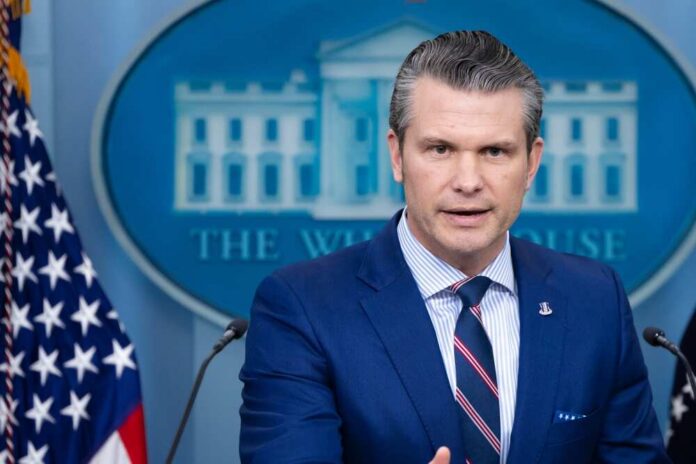
- U.S. Secretary of War Pete Hegseth announces “Project Freedom” successfully cracked Iran’s months-long blockade of the Strait of Hormuz on May 5, 2026
- American destroyers USS Truxtun and USS Mason transited the strategic waterway under Iranian fire, turning back six Iranian vessels attempting to breach the U.S. counter-blockade
- Over 1,550 commercial vessels and 22,500 mariners had been trapped since Iran weaponized the strait following failed ceasefire negotiations in April
- The operation deployed over 100 aircraft, 15,000 troops, and multiple destroyers to establish a “red, white and blue dome” protecting 20% of global oil shipments
Iran’s Stranglehold on Global Commerce
The Strait of Hormuz crisis began immediately after U.S. and Israeli airstrikes assassinated Iranian Supreme Leader Ali Khamenei on February 28, 2026. Iran retaliated by blockading the 21-mile-wide chokepoint between Iran and Oman, through which roughly 21 million barrels of oil pass daily. Tehran effectively weaponized global energy supplies, holding commercial shipping hostage while demanding concessions. This represented an unprecedented escalation beyond historical threats, transforming a vital international waterway into a bargaining chip for a weakened regime clinging to relevance after catastrophic military defeats.
Failed Diplomacy Triggers American Action
Islamabad peace talks collapsed on April 11-12, 2026, during a fragile ceasefire, prompting President Trump to impose a naval blockade exclusively targeting Iranian ports and vessels on April 13. Iran responded by re-closing the strait on April 18, escalating attacks against commercial shipping and launching missile barrages against the United Arab Emirates. By late April, approximately 1,550 vessels carrying critical cargo—including an Iraqi oil tanker with 2 million barrels—remained stranded in the Arabian Gulf. The humanitarian and economic crisis intensified as 22,500 mariners faced uncertain fates while global supply chains buckled under the pressure.
Project Freedom Breaks Iranian Control
Launched in early May, “Project Freedom” deployed overwhelming American military force to establish a protected corridor through the strait. Secretary Hegseth described the operation as creating a defensive dome over international waters, separate from broader conflict operations against Iran. U.S. Central Command redirected 51 vessels away from danger while destroyers provided armed escorts through the chokepoint. On May 4-5, the USS Truxtun and USS Mason successfully transited the strait despite Iranian barrages, demonstrating American resolve. Six Iranian ships attempting to violate the U.S. counter-blockade were intercepted and turned back, marking a decisive shift in control.
Victory for American Strength, Questions About Allies
Hegseth’s May 5 announcement that Iran “no longer controls” the strait represents a significant tactical victory for the Trump administration, showcasing American military superiority when political will matches capability. However, the operation exposes troubling questions about international burden-sharing. The United States shouldered the entire responsibility for securing global commerce while European and Asian nations—heavily dependent on Hormuz oil shipments—remained conspicuously absent. This pattern reflects a broader problem where American taxpayers and service members protect international interests while allies free-ride on U.S. security guarantees, a dynamic that continues draining resources while other nations prosper.
The immediate crisis may be resolved, but fundamental questions persist about long-term security arrangements and whether temporary solutions address Iran’s willingness to weaponize civilian infrastructure. Oil markets remain volatile, the ceasefire remains fragile, and Tehran retains capacity for asymmetric warfare through regional proxies. While Project Freedom demonstrates what decisive American leadership can accomplish, it also highlights the uncomfortable reality that global stability increasingly depends on unilateral U.S. action rather than genuine international cooperation—a burden that serves entrenched defense interests while ordinary Americans question why their government prioritizes foreign shipping lanes over domestic concerns like border security and economic opportunity.
Sources:
Iran war: Trump administration says Strait of Hormuz blockade cracked as ceasefire holds – CBS News
2026 United States naval blockade of Iran – Wikipedia