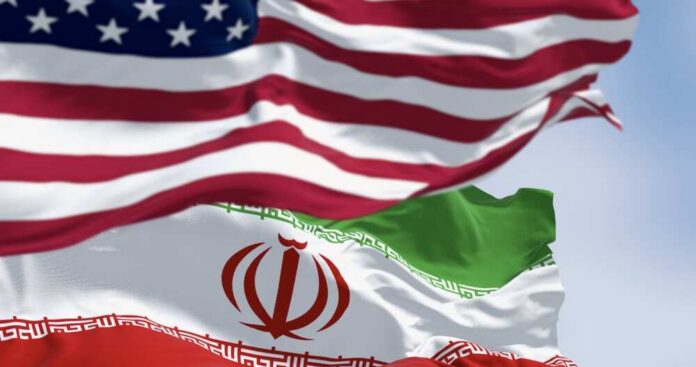
President Trump now says Iran’s nuclear sites are under “infinity” inspections and U.S. protection, yet key facts about the deal and the strikes behind it still do not line up.
Story Snapshot
- Trump claims Iran accepted unlimited top-level nuclear inspections and a ban on nuclear weapons.
- Iranian officials and international inspectors say access is limited and key nuclear questions remain open.
- Trump says U.S. bombers “obliterated” Iran’s nuclear facilities; Pentagon and watchdogs report mixed damage.
- The entire fight shows how elites use unclear deals and secret strikes while ordinary Americans stay in the dark.
Trump’s sweeping claims about an Iran nuclear victory
President Donald Trump is selling his new Iran understanding as a total win on nuclear weapons and inspections. He has posted that Iran agreed to the “highest level Nuclear inspections long into the future (Infinity!!!),” suggesting inspectors can go anywhere, anytime, without limit. In a television interview, he also said the memorandum of understanding includes a promise that “Iran agrees not to produce nor procure a nuclear weapon,” language he presents as tougher than President Obama’s old deal. These bold claims fit Trump’s long pattern of calling his agreements “historic” and “the best,” while many details stay vague and hard to check.
Trump ties this claimed victory to military force as well as diplomacy. He has told supporters that U.S. B-2 bombers “obliterated” Iran’s nuclear enrichment facilities hidden under granite mountains in 2025, saying the regime is “totally defeated militarily.” The White House echoed that line in a 2025 statement insisting Iran’s nuclear sites had been destroyed and calling any doubts “fake news.” For many Americans, especially conservatives tired of half-measures, this sounds like finally taking a hard line after years of what they saw as weak, globalist deals.
What independent reporting and Iran say about inspections and enrichment
When reporters and Iranian officials describe the same deal, the picture is much less clear. A South China Morning Post summary notes Iran’s ambassador to the United Nations and its foreign ministry spokesman both reject Trump’s claim that Tehran agreed to new access for the International Atomic Energy Agency, saying there has been no such commitment and no meeting with the agency’s chief. Reuters adds that the current framework “does not impose any restrictions on Iran’s nuclear ambitions,” with those issues pushed into a later 60-day negotiation window. That gap between Trump’s talk of “infinity” inspections and the written framework is exactly the kind of disconnect that makes many Americans feel they are being misled by leaders on both sides.
International nuclear monitors also show how limited the progress really is. The Council on Foreign Relations explains that the original 2015 nuclear deal forced Iran to cut its uranium stockpile by 98 percent and cap enrichment at low levels, but many of those limits expired over time. After the United States left that deal in 2018, Iran stepped up enrichment and began using more advanced machines. By the time U.S. and Israeli strikes hit in 2025, the International Atomic Energy Agency estimated Iran had over 440 kilograms of uranium enriched up to 60 percent, stored largely in tunnels at the Isfahan complex. A later United Nations report said Iran was not complying with nuclear safeguards and was blocking inspectors from bombed sites, making it impossible to verify whether enrichment had really stopped.
Did U.S. strikes truly “obliterate” Iran’s nuclear program?
The scale and success of U.S. and Israeli strikes on Iran’s nuclear facilities are also caught in a fog of clashing claims. Trump and a 2025 White House release argue the attacks “obliterated” enrichment sites and removed any path to a nuclear weapon. That message fits his “peace through strength” image and reassures Americans who believe only force can deal with regimes they see as dangerous and dishonest. But a leaked Pentagon intelligence assessment, reported by the BBC, concludes the strikes did not destroy Iran’s nuclear program and likely set it back only months, with many centrifuges still intact in hardened locations. The director general of the International Atomic Energy Agency told the United Nations Security Council that his agency was “not aware of any damage at Fordow at this time,” directly undercutting the claim that one key underground site was wiped out.
Outside analysts and watchdog groups add more nuance. The Arms Control Association has tracked Iran’s facilities and notes serious damage at some locations but continued nuclear activity and remaining infrastructure. A United Nations atomic watchdog report says Iran is failing to meet safeguard duties and has denied inspectors access to bombed facilities, which prevents outside experts from settling the argument over how much was destroyed. For both right-leaning and left-leaning citizens, this is familiar: leaders talk about “surgical” strikes and “permanent” fixes, while the actual results are messy, partial, and hidden behind classification stamps.
Why this fight over facts feeds public distrust
This clash over Iran is part of a longer pattern in U.S.–Iran nuclear diplomacy. The Council on Foreign Relations notes that earlier deals were also sold as landmark victories while Iran kept some enrichment and later pushed past limits, and Washington in turn walked away and escalated pressure. Today, Trump blasts the old Joint Comprehensive Plan of Action as a “horrible, one-sided deal,” while critics say his new memorandum of understanding is short on concrete rules and long on political theater. Iran, for its part, denies seeking nuclear weapons but refuses to give inspectors full access, and sometimes uses its own propaganda to show defiance.
BREAKING: Iran has formally suspended all nuclear negotiations with the US, ending the last diplomatic channel aimed at curbing its atomic program, per a senior Iranian source to TASS.
The source blamed "direct threats" from Donald Trump and Washington's "repeated violations"…
— The Hormuz Report (@HormuzReport) July 8, 2026
For many Americans on both the right and the left, the result feels all too familiar. Powerful leaders and government agencies fight information wars over what happened at distant nuclear sites, yet ordinary people are expected to take sides without seeing hard proof. Conservatives see elites and international institutions ready to undermine a president they support. Liberals see a White House brushing off intelligence warnings as “fake news.” Both camps see a federal system that keeps real data secret while using grand claims about war and peace to score points. The Iran story is less about one quote and more about a government culture that rarely gives the public the honest, verifiable facts it deserves.
Sources:
youtube.com, reuters.com, en.wikipedia.org, cfr.org, facebook.com, trumpwhitehouse.archives.gov, inss.org.il, whitehouse.gov, pbs.org, bbc.com, iaea.org