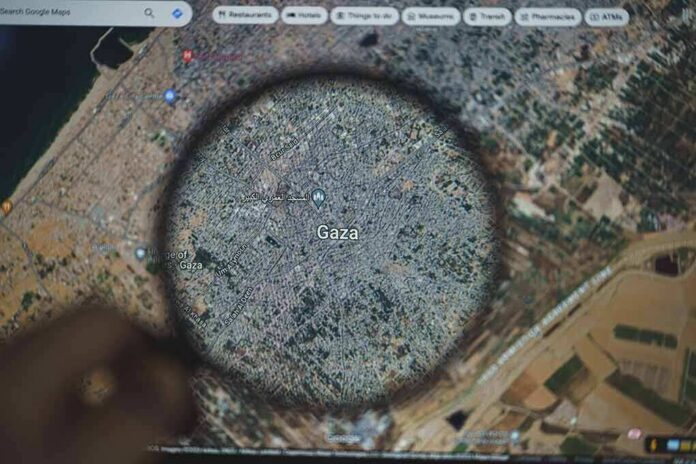
A U.S.-backed board proposed a $2.45 billion, six-month push to start rebuilding Gaza with 66 targeted projects.
Story Snapshot
- The Board of Peace unveiled a six-month, $2.45 billion Gaza plan with 66 projects.
- Projects span housing, rubble removal, hospital repairs, power, water, and border fixes.
- The blueprint groups work into six tracks, from infrastructure to peace and security.
- Damage and decade-long recovery needs far exceed the opening plan’s scope.
What Was Announced and Why It Matters
Associated Press reporting says the U.S.-backed Board of Peace proposed a six-month, $2.45 billion plan to kick off Gaza’s reconstruction and basic governance. The group presented the blueprint at a board meeting and described 66 starter projects to get work underway. Axios reporting adds that the plan organizes efforts across six areas and aims to move from emergency relief toward early recovery. The figure is a proposal total, not a list of confirmed donor pledges at this stage.
Axios details show the plan’s six tracks: infrastructure, human development, economic acceleration, digital transformation, legal affairs, and peace and security. That structure signals a start on both physical repairs and the systems needed to manage services. The Board of Peace website describes its role as setting the framework and handling funds until a reformed Palestinian Authority can take over. That mission frames the board as a bridge from crisis to longer-term governance.
What the 66 Projects Aim to Deliver First
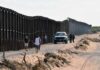
Coverage points to early, concrete tasks: temporary housing, rubble removal, hospital repairs, and restoring electricity and water. Reports also note work on key crossings and utilities to allow aid and materials to move more freely. These choices fit a pattern in postwar recovery: start with shelter, basic services, and access, then scale to schools, clinics, and job sites. The plan also mentions steps for economic recovery and a multinational security component to protect sites.
Reported damage estimates show the scale of need is far larger than this opening phase. United Nations and European Union assessments put physical damage in the tens of billions and say recovery could require about $71.4 billion over a decade, with major funding needs front-loaded in the first 18 months. The six-month, $2.45 billion effort is framed as a down payment that sets standards, contracts, and logistics before heavier rebuild work starts.
How Governance and Security Shape Reconstruction
Past Gaza rebuilds show that construction plans only work when governance, security, border access, and funding move together. Independent analysis from Brookings stresses that who controls Gaza and how borders operate will drive the pace and cost of repairs. Regional and policy studies echo that coordination among Israel, Egypt, and international donors is necessary to move materials, clear hazards, and verify spending. This plan’s six-track design appears to reflect those lessons.
Trump’s Board of Peace proposes US$2.45B blueprint to begin Gaza reconstruction https://t.co/5jWeh2FUfp
— CTV News (@CTVNews) September 23, 2026
The Board of Peace describes itself as a temporary manager for funds and oversight tied to a broader peace framework. Reporting mentions links to a Palestinian technocratic structure, though named endorsements are not quoted in the cited pieces. That gap matters for public trust and local execution. Still, the board’s stated intent is to hand off to reformed local authorities once conditions allow, which aligns with many expert calls for a phased transfer of control.
Funding, Accountability, and the Road Ahead
News reports do not list firm donor pledges for the full $2.45 billion. That means money must be lined up through states, banks, and private partners. In past efforts, donors asked for tight monitoring, site access, and clear security guarantees. The six-month window suggests a sprint to set up transparent contracts, publish project lists, and report progress. Those steps can reassure both taxpayers and families waiting for power, water, and safe housing to return.
For Americans, the stakes are familiar. Voters across parties say big promises often die inside government delays and turf wars. This blueprint tries to break that cycle with specific tasks and a short clock. Success would mean lights on, clinics open, and kids in school sooner. Failure would look like another stack of binders and press releases. The next test is simple and concrete: show trucks on the road, cranes in the air, and families moving out of tents into safe homes.
Sources:
military.com, anewz.tv, x.com, english.aawsat.com, wtop.com, jadaliyya.com